 Save
Save My neighbor burst through the kitchen door one winter evening with a portable burner tucked under her arm and a grin that said trouble in the best way. She'd just returned from a trip to Thailand and wanted to recreate the communal hot pot experience right there at my dining table, where we could all cook our own dinner together while steam rose between us like we were sharing something sacred. That night, watching shrimp turn pink and vegetables soften in that fragrant broth, I realized this wasn't just a meal—it was an invitation to slow down and sit with people you care about.
I made this for my in-laws on their first visit, absolutely terrified about impressing them over a hot pot. When my father-in-law grabbed the tongs and started dunking vegetables like he was eight years old again, laughing at his own impatience, I knew the meal had already succeeded in ways no plated dish ever could.
Ingredients
- Low-sodium chicken or seafood stock (8 cups): This is your foundation—use seafood stock if you can find it, as it whispers beneath the other flavors without overpowering them.
- Fresh ginger (3 slices): Smash it with the side of your knife so the warmth releases into the broth; dried ginger just won't have the same bite.
- Garlic cloves (3), smashed: Don't bother mincing—smashing keeps pieces large enough to fish out before serving.
- Lemongrass (2 stalks), bruised and chopped: Bruise it gently with the side of your knife to crack the layers and release that citrusy perfume.
- Soy sauce (2 tablespoons): The umami anchor that ties everything together; taste as you go since brands vary wildly in saltiness.
- Fish sauce (1 tablespoon): I know it smells like the ocean floor, but trust it—it dissolves into the broth and becomes invisible magic.
- Rice vinegar (1 tablespoon): This adds a gentle brightness that lifts the whole bowl without making it taste sour.
- Fresh red chilies (1–2), sliced: Leave seeds in if you like heat, remove them for warmth without the bite, or skip them entirely if your family protests.
- Raw shrimp (8 large), peeled and deveined: Buy them as fresh as possible and keep them on ice until the last moment before cooking.
- White fish fillet (200 g), cut into bite-sized pieces: Cod or snapper work beautifully, but ask your fishmonger what looks freshest that day.
- Fresh mussels or clams (8), scrubbed: Discard any that won't close when tapped—this matters for food safety.
- Squid rings (150 g): They cook in seconds, so add them last or watch carefully to avoid rubbery texture.
- Napa cabbage (1 cup), chopped: Its mild sweetness balances the broth beautifully and it holds up to cooking without falling apart.
- Baby bok choy (1 cup), halved: The tender greens and crunchy stems cook at slightly different rates, giving you a nice textural mix in each spoonful.
- Shiitake mushrooms (1 cup), sliced: They release an earthy depth into the broth as they cook, so don't skip them even if they seem expensive.
- Enoki mushrooms (1 cup), trimmed: Their delicate, almost noodle-like texture is part of the fun—they're almost less of an ingredient and more of an experience.
- Carrot (1 medium), thinly sliced: Thin slices cook in seconds and add a subtle sweetness that echoes the lemongrass.
- Zucchini (1 small), sliced: This is a neutral player that absorbs flavor and adds bulk without any competing taste.
- Firm tofu (1 cup), cubed: It's a protein anchor for vegetarians at the table and soaks up the broth like nothing else.
- Glass noodles or rice vermicelli (200 g), soaked: Follow package instructions—they should be pliable but not mushy before hitting the broth.
- Spring onions (2), sliced: Save these for garnish right at the end so they stay bright and sharp against the warm broth.
- Fresh cilantro: The final aromatic note that makes people close their eyes for a second when they smell it.
- Lime wedges: A squeeze of citrus at the very end transforms the entire bowl with one gesture.
Tired of Takeout? 🥡
Get 10 meals you can make faster than delivery arrives. Seriously.
One email. No spam. Unsubscribe anytime.
Instructions
- Build Your Flavor Base:
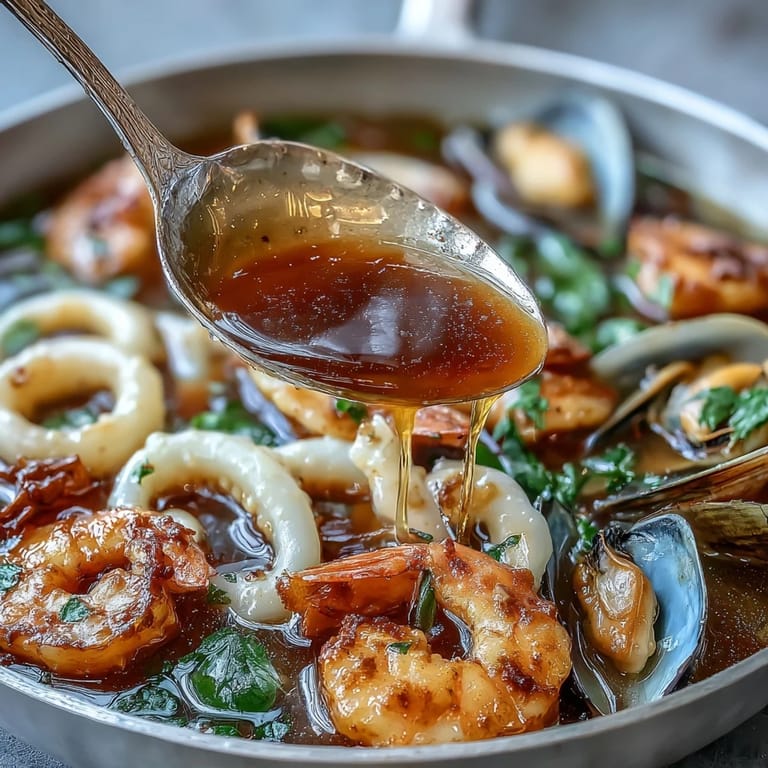
- Pour your stock into a large pot and add ginger, garlic, and lemongrass—watch as the kitchen fills with an aroma that makes everyone ask what you're cooking. Bring it to a boil, then lower the heat and let it simmer gently for 20 minutes so all those aromatics surrender their flavors slowly rather than getting bullied into submission.
- Season with Precision:
- Stir in soy sauce, fish sauce, rice vinegar, and chilies if using—this is where you taste and adjust, because every stock tastes slightly different and you're the only one who knows your family's heat tolerance. Once it tastes like you want to swim in it, strain out the solids and return the clear, fragrant broth to the pot.
- Arrange Your Theater:
- While the broth simmers, arrange all your seafood, vegetables, tofu, and noodles on separate platters—this is the visual moment that makes people lean forward in anticipation. Set everything within reach of the table and place your portable burner or induction cooktop in the center like you're about to perform.
- Bring the Pot to the Table:
- Pour the finished broth into your hot pot or wide saucepan and set it over the portable burner, bringing it back to a gentle simmer right there at the table. The moment the broth starts sending up steam, you'll see people's eyes light up—this is interactive cooking at its most alive.
- Cook Together:
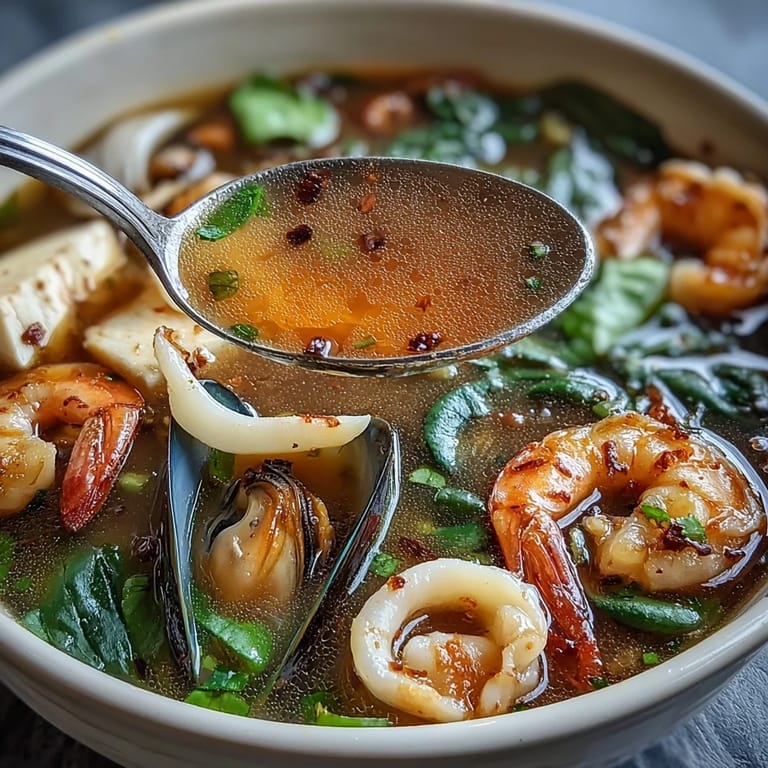
- Let each diner add whatever they want to the broth—seafood takes 2–3 minutes until shrimp turn opaque and fish flakes gently, vegetables soften but stay crisp-tender, and noodles just need to loosen and warm through. I usually give people a gentle nudge (squid cooks fastest, so add it last) but part of the magic is letting them discover their own timing.
- Finish and Serve:
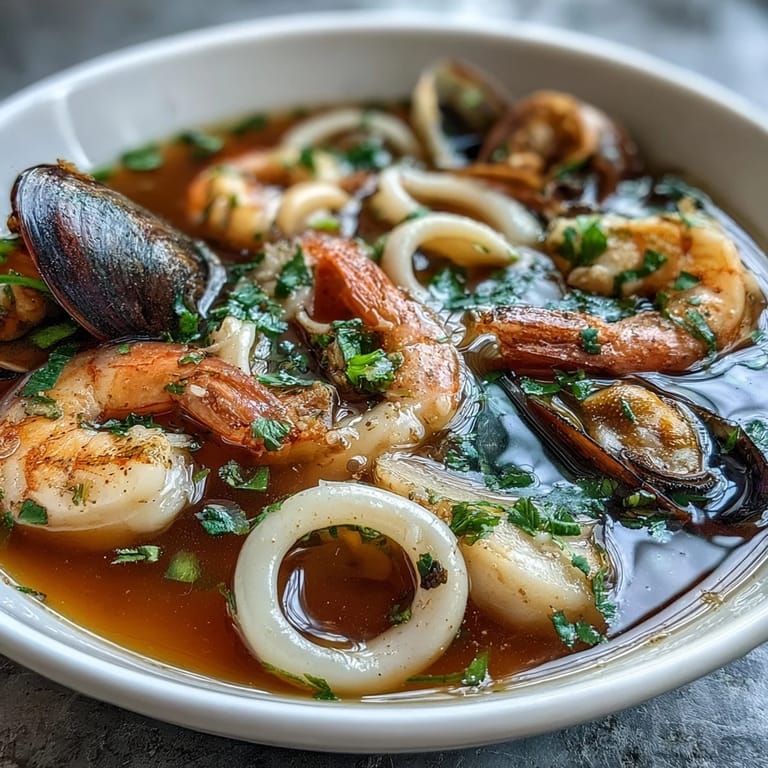
- Ladle cooked ingredients and broth into individual bowls, then scatter spring onions and cilantro over the top like you're adding the final brushstrokes to a painting. A squeeze of lime right before eating transforms everything from delicious to unforgettable.
 Save
Save There was a moment during that first hot pot when my father-in-law fished out a piece of tofu, took a bite, closed his eyes, and said nothing for a full ten seconds. Then he looked at me and said, 'This is how you make people feel at home.' That's when I understood that hot pot isn't really about the broth or the seafood—it's about creating a moment where everyone slows down together.
The Secret Life of Your Broth
The broth is actually more forgiving than you'd think, which is what makes this recipe so joyful. I once accidentally bought Thai basil instead of cilantro for garnish, and instead of panicking, I infused the broth with it during the simmering stage—the result was so good that I've never made it the original way since. The truth is that hot pot broth wants to be tinkered with; it invites experimentation in a way that formal recipes often don't.
Seafood Selection and Timing
The beauty of hot pot is that you can customize your seafood based on what your fishmonger has that day, your budget, or what people at your table prefer. I once had someone allergic to shellfish join our dinner, so I kept a separate small pot with chicken and vegetable broth going beside the main pot—nobody felt left out, and it actually sparked a fun conversation about how adaptable this meal really is. The key is understanding that different seafood cooks at different speeds: shrimp and fish need about 3 minutes, mussels and clams need to fully open (discard any that don't), and squid needs maybe 30 seconds of vigorous boil before it becomes rubber.
Creating the Perfect Setup
The physical arrangement of your table matters more than you might think, because hot pot is as much about the experience as the food. I learned to place smaller bowls and chopsticks at each seat, keep the broth pot slightly off to one side so people can reach everything comfortably, and have a little saucer for each person to mix their own dipping sauce. One friend likes pure chili oil, another mixes soy with cilantro and lime, and my vegetarian cousin creates something that looks experimental but tastes incredible—and nobody has to eat the same thing.
- Set up a small side table for dirty bowls so your eating table doesn't become cluttered chaos mid-meal.
- Have extra broth heated separately in a kettle—as the meal goes on, you'll want to replenish what's been absorbed by noodles and vegetables.
- Keep paper towels within arm's reach because this is a casual, slightly messy meal and that's part of its charm.
 Save
Save Hot pot changed something in the way I think about cooking and entertaining. It turned me from someone anxious about getting everything perfect into someone who could relax because the meal itself is the whole point.
Questions & Answers
- → What types of seafood work best in this dish?
Shrimp, white fish fillets like cod or snapper, mussels, clams, and squid are ideal, offering a variety of textures and flavors.
- → How can I adjust the broth's spiciness?
Include fresh red chilies or chili paste to increase heat, or omit chilies for a milder flavor.
- → What vegetables complement the hot pot?
Crisp napa cabbage, baby bok choy, shiitake and enoki mushrooms, carrots, zucchini, and tofu add freshness and texture.
- → Can I use alternative noodles?
Yes, glass noodles or rice vermicelli both absorb the flavorful broth beautifully and maintain a delicate texture.
- → How is this dish traditionally served?
The broth is simmered at the table while diners add their preferred seafood, vegetables, and noodles, cooking ingredients to taste interactively.
- → Are there common allergens to watch for?
This dish contains shellfish, fish, and soy; gluten may be present depending on soy sauce or noodle choice.