 Save
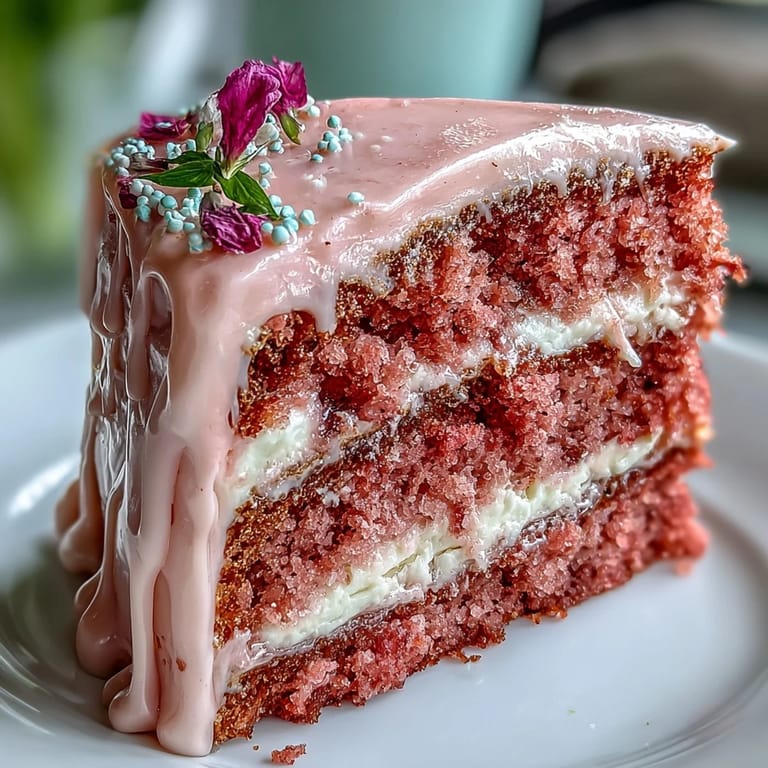
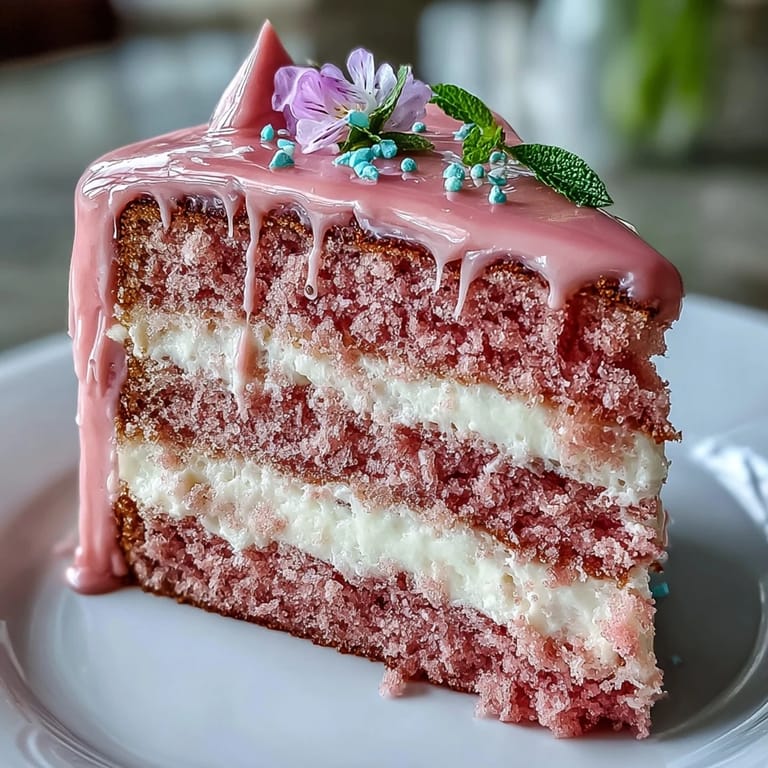
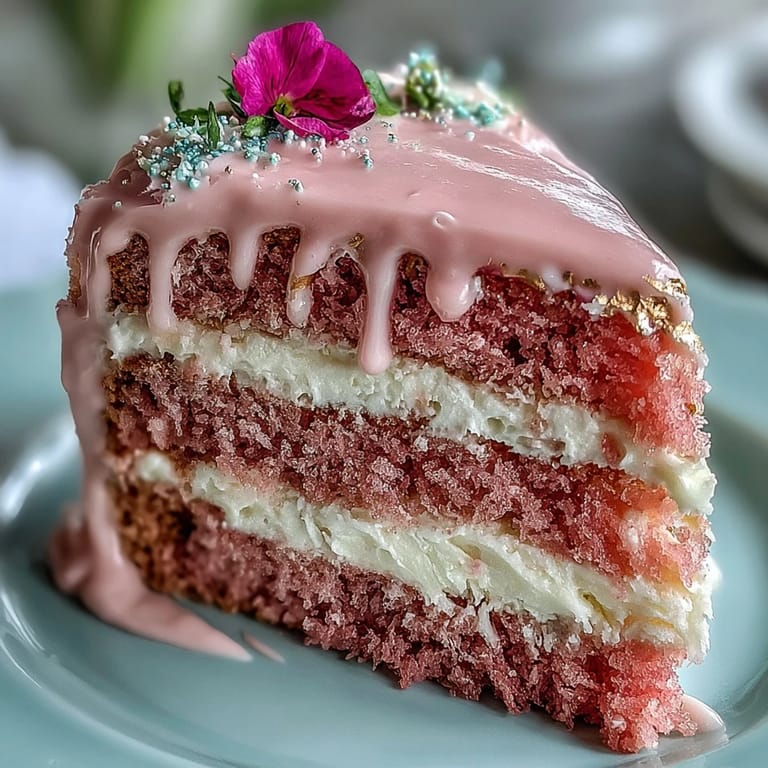
Save The first time I made this Rosé Velvet Cake, the kitchen filled with a subtle floral scent that mingled with the familiar warmth of vanilla and melting chocolate. I remember tapping the mixing bowl and humming absentmindedly as the batter turned a shade of pink I'd only seen in early dawn skies. Somewhere between the gentle glug of the rosé pouring into the measuring jug and the hopeful anticipation of painting golden drips, I realized how extravagance can sneak up in the quietest moments. This isn't just a cake—it's an excuse to linger by the window with a spoonful of frosting, grinning at your own handiwork. The gold shimmer is always the last mischievous touch, and it makes the whole kitchen feel like celebration is overdue.
Once, when making this cake for a friend's bridal shower, her grandma watched as I spread the final coat of frosting and told stories from her own kitchen—turns out she used to hide a splash of wine in her own birthday cakes. By the time we brushed on the gold, laughter drowned out the clatter of pans and someone asked if cakes could be lucky charms. The truth? In those moments, they certainly are.
Ingredients
- All-purpose flour: Sift for the silkiest crumb, especially crucial here for delicate, even layers.
- Cornstarch: Lightens the cake texture—don’t skip it; it’s my secret for velvet-soft results.
- Unsweetened cocoa powder: Adds a gentle depth that sets off the rosé, but go easy so the color stays blush-pink.
- Baking soda & salt: These make everything rise just enough and brighten sweetness—toss together for even distribution.
- Unsalted butter: Room temperature is non-negotiable to avoid lumpy batter, and brings that dreamy richness.
- Granulated & light brown sugar: The mix of white and brown sugars adds both structure and a hint of caramel.
- Eggs: They should be at room temp to blend smoothly, so pull them out before you do anything else.
- Rosé wine: Go for a fragrant, juicy one—quality matters more than you’d expect as the flavor lingers.
- Buttermilk: It makes the cake tender and plush; I never skip it, and neither should you.
- Vanilla extract: Adds balance and bonus warmth—try a splash more if you love it deeply.
- Pink gel food coloring: Totally optional, but it’s my trick for picture-perfect slices every time.
- Cream cheese & unsalted butter (for frosting): Let both come fully to room temp or you’ll curse lumps later.
- Confectioners’ sugar: Sift for a cloud-like finish—nothing ruins a party like a frosting blob with sugar grit.
- White chocolate chips & heavy cream (for gold drip): The combo melts to silky-smooth perfection; patience while cooling is everything.
- Edible gold luster dust + vodka/lemon extract: When mixed, they transform a humble cake into pure celebration—use a soft paintbrush for the magic touch.
Tired of Takeout? 🥡
Get 10 meals you can make faster than delivery arrives. Seriously.
One email. No spam. Unsubscribe anytime.
Instructions
- Prep the pans:
- Grease and line three 8-inch round cake pans so your cakes release as easily as whispered secrets.
- Sift & combine:
- In a medium bowl, sift flour, cornstarch, cocoa, baking soda, and salt; the gentle floury cloud is oddly calming.
- Cream the butter & sugars:
- Beat butter, granulated sugar, and brown sugar together until everything is pale and fluffy—a good sign you’re on the right path.
- Incorporate eggs & vanilla:
- Add eggs one at a time, blending carefully and scraping the bowl; stir in vanilla and inhale the sweetness rising up.
- Mix the rosy buttermilk:
- Combine rosé wine and buttermilk in a jug and give it a swirl—it’s like a secret handshake.
- Alternating magic:
- Add dry ingredients and the rosé mix alternately to the buttery bowl, starting and ending with flour; gentle mixing keeps layers tender, and don’t forget a drop of pink gel food coloring if you want that fairytale hue.
- Bake the layers:
- Pour batter into pans and smooth the tops; bake for 28–32 minutes until a tester comes out clean and the tops feel springy.
- Cool completely:
- Let cakes rest in pans for 10 minutes, then turn out onto a rack—they’re delicate, so handle kindly.
- Make the frosting:
- Beat cream cheese and butter until satiny, then slowly add the confectioners’ sugar, vanilla, and salt, tasting as you go.
- Frost and chill:
- Stack layers with frosting in between, cover the outside beautifully, and chill for 30 minutes—impatience has ruined many a cake at this stage.
- Create the gold drip:
- Melt white chocolate chips with cream over gentle heat, cool slightly, then spoon drips around the chilled cake’s top edge and let the ganache cascade down.
- Brush on the gold:
- Mix gold luster dust with a dab of vodka or lemon extract and, when the drips are set, use a small clean brush to gild the chocolate.
- Final flourishes:
- Adorn the cake with edible flowers or gold leaf if you like—step back and admire.
 Save
Save Sometime after the last gold streak, someone always sneaks into the kitchen for a second slice, plate still warm from dish duty, swearing it was 'just to make sure the flavors settled overnight.'
Secrets for Showstopper Layers
Getting perfectly even layers isn’t a myth: measure your batter before pouring and gently tap the pans on the counter. I like to eyeball them at first, but those little scales or even just counting spoonfuls have saved me from lopsided showings. A lazy Susan and offset spatula give you bakery-like smoothness when frosting, and I’ve rarely resisted spinning the cake, just for the view.
Tweaking for Every Guest
I’ve substituted sparkling pink grape juice for rosé when kids were around, and the cake disappeared just as quickly. Fresh berries and edible flowers always earn a gasp; sometimes I skip the gold, but I never skip the final sweep of frosting along the base for a finished look.
Troubleshooting & Last Touches
If your ganache seizes or seems thin, don’t panic—add a splash more cream or gently rewarm. The edible gold paint takes a steady hand and a bit of patience for dry time, but even imperfect streaks look beautiful in candlelight.
- Test your coloring shade with a dab in a spare cupcake liner.
- Let kids help with gold painting—it’s fun, and any mistakes just look whimsical.
- Always slice with a warm knife for crisp, clean cuts.
 Save
Save I hope you treat yourself to a slice as sparkly and memorable as any celebration deserves. Here’s to golden moments, even on ordinary days.
Questions & Answers
- → How do I get a natural pink hue without food coloring?
Use a good-quality rosé and slightly reduce cocoa powder, or rely on the rosé's color plus a touch of beet powder for a subtle natural blush. Fresh berries folded into the batter can also deepen the hue without artificial color.
- → What non-alcoholic swap keeps the same flavor profile?
Substitute pink grape juice or sparkling apple cider for rosé. Reduce any added liquid slightly if the substitute is sweeter; the buttermilk still helps maintain a tender crumb and balanced acidity.
- → How can I ensure smooth cream cheese frosting?
Bring cream cheese and butter fully to room temperature, then beat until completely smooth before adding sifted confectioners' sugar. Brief chilling helps the frosting firm for cleaner assembly and piping.
- → What's the best way to make an even gold drip?
Heat white chocolate and cream gently to a pourable ganache, allow it to cool until slightly thickened, then spoon or pipe small amounts around the chilled cake edge. Once set, mix gold luster dust with a few drops of vodka or lemon extract and brush onto the hardened drips for a bright metallic finish.
- → How should I store the finished cake?
Keep the cake refrigerated, covered loosely with a cake dome or large bowl to protect decorations. Bring slices to room temperature before serving for best texture and flavor; consume within 3–4 days.
- → Why did my layers sink in the center and how to avoid it?
Underbaking, oven temperature fluctuations, or overmixing can cause sinking. Use an oven thermometer, avoid overbeating the batter once flour is added, and test doneness with a toothpick near the minimum bake time.