 Save
Save The smell of hot chickpea flour and cumin frying in oil takes me straight back to a crowded street corner in Mumbai where I first tried bhajis from a tiny cart. The vendor worked with such speed, his hands moving through batter and oil like a well-rehearsed dance. When I got home, I was determined to recreate that crispy, spiced magic in my own kitchen. It took a few tries to get the batter consistency right, but once I nailed it, these became my go-to whenever I wanted something impressive but secretly simple.
I made these for a quiet dinner party last winter, and they disappeared before the main course even hit the table. My friend Priya, who grew up eating pakoras every monsoon season, gave them her approval with a nod and reached for a third. That moment felt like a small victory. Its one thing to cook something tasty, but its another to have someone with deep food memories tell you it reminds them of home.
Ingredients
- Cauliflower florets: Small florets work best because they fry evenly and get fully coated in batter without any raw centers.
- Red onion: Adds a slight sweetness and texture contrast, plus it caramelizes beautifully in the hot oil.
- Chickpea flour: This is the backbone of the batter, giving it that earthy, nutty flavor and helping everything bind together without gluten.
- Rice flour: A secret weapon for crispiness, it keeps the coating light and shatters when you bite into it.
- Cumin seeds: They pop and release their aroma in the oil, adding little bursts of warmth throughout each bhaji.
- Ground coriander: Brings a citrusy, floral note that balances the heavier spices.
- Turmeric powder: A pinch gives the bhajis that golden glow and a subtle earthy undertone.
- Chili powder: Adjust this depending on your heat tolerance, but a little kick makes them more exciting.
- Garam masala: Adds complexity and warmth, tying all the spices together into something cohesive.
- Baking powder: Just a tiny bit helps the batter puff slightly, creating more surface area for crispiness.
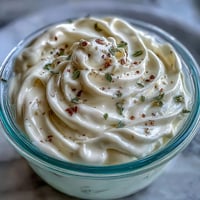
- Greek yogurt: Thick and tangy, it makes the perfect cooling contrast to the hot, spiced fritters.
- Fresh mint and cilantro: These herbs brighten the dip and add a fresh, garden-like quality that feels summery even in winter.
- Lemon juice: A squeeze wakes up the yogurt and makes the whole dip taste more alive.
Tired of Takeout? 🥡
Get 10 meals you can make faster than delivery arrives. Seriously.
One email. No spam. Unsubscribe anytime.
Instructions
- Make the Dip First:
- Stir together the yogurt, mint, cilantro, lemon juice, cumin, and salt until smooth and fragrant. Pop it in the fridge so the flavors meld while you work on the bhajis.
- Mix the Dry Ingredients:
- Combine both flours with all the spices, baking powder, and salt in a large bowl, whisking to break up any lumps. This ensures every piece of cauliflower gets evenly coated.
- Toss in the Vegetables:
- Add the cauliflower, onion, cilantro, and green chilies to the spiced flour mixture. Use your hands to toss everything together so each floret is dusted and ready to bind.
- Add Water Slowly:
- Pour in a little water at a time, stirring gently until you have a thick, sticky batter that clings to the vegetables. It shouldnt be runny or it will slide off in the oil.
- Heat the Oil:
- Pour enough oil into a deep pan so the bhajis can float freely, then heat it to 170 degrees Celsius. Test with a small drop of batter, it should sizzle and rise immediately.
- Fry in Batches:
- Drop spoonfuls of the battered cauliflower into the oil, leaving space between each one. Crowding the pan lowers the temperature and makes them soggy instead of crisp.
- Turn and Drain:
- Fry for four to five minutes, flipping occasionally, until theyre deep golden and crispy all over. Lift them out with a slotted spoon and let them drain on paper towels.
- Serve Immediately:
- Plate the bhajis while theyre still hot and crackling, with the chilled yogurt dip on the side. The contrast between hot and cold is part of the magic.
 Save
Save There was one rainy afternoon when I made these just for myself, standing by the stove with a cup of chai, eating them straight from the pan. No plates, no fuss, just the sound of rain and the crackle of hot oil. It reminded me that some of the best meals dont need an audience. Sometimes cooking something delicious is enough of a reason all on its own.
Getting the Batter Right
The consistency of the batter is everything here. It should be thick enough to coat the back of a spoon and cling stubbornly to the cauliflower. If you can see bare patches on the florets, add a tiny bit more water and mix again. I learned this the hard way when my first batch came out patchy and uneven. Now I always do a test fry with one bhaji before committing to the whole batch.
Oil Temperature Matters
Keeping the oil at a steady 170 degrees Celsius is the secret to crispy, non-greasy bhajis. Too hot and the outside burns before the cauliflower cooks through. Too cool and they soak up oil like a sponge. I use a thermometer now, but you can also test with a wooden spoon, if bubbles form around it immediately, youre good to go. Adjust the heat as you fry to maintain that sweet spot.
Serving and Pairing Ideas
These bhajis shine as a starter, but Ive also served them alongside dal and rice for a full meal. They pair beautifully with tamarind chutney if you want something tangier than yogurt. A sprinkle of chaat masala right after frying adds an extra punch of flavor thats hard to resist.
- Serve them on a platter with lemon wedges and fresh cilantro for a restaurant style presentation.
- If you have leftovers, reheat them in a hot oven to bring back the crispiness instead of microwaving.
- Try adding grated ginger to the batter for a sharper, more aromatic kick.
 Save
Save These bhajis have become my answer to every potluck invite and impromptu gathering. Theyre proof that a little spice, some heat, and the right technique can turn humble cauliflower into something people actually get excited about.
Questions & Answers
- → Can I bake these bhajis instead of frying?
Yes, you can bake them at 200°C (400°F) for 20-25 minutes, flipping halfway through. Brush with oil for better crispiness, though they won't be as crispy as deep-fried versions.
- → What can I substitute for chickpea flour?
Chickpea flour is essential for authentic flavor and texture. However, in a pinch, you can use a mix of rice flour and cornstarch, though the taste will differ from traditional bhajis.
- → How do I know when the oil is hot enough?
Drop a small amount of batter into the oil. If it sizzles immediately and rises to the surface, the oil is ready. Using a thermometer, aim for 170°C (340°F) for best results.
- → Can I make these ahead of time?
Bhajis are best served fresh and hot. However, you can prepare the batter up to 2 hours ahead and fry just before serving. Reheat leftovers in a 180°C oven for 5-7 minutes to restore crispiness.
- → What other vegetables work well in bhajis?
Onions, potatoes, spinach, and bell peppers all make excellent bhajis. You can also create mixed vegetable versions combining different vegetables with the same spiced batter.
- → How spicy are these bhajis?
The spice level is mild to medium. The green chilies are optional, and you can adjust the chili powder to taste. The cooling yogurt dip also helps balance any heat.