 Save
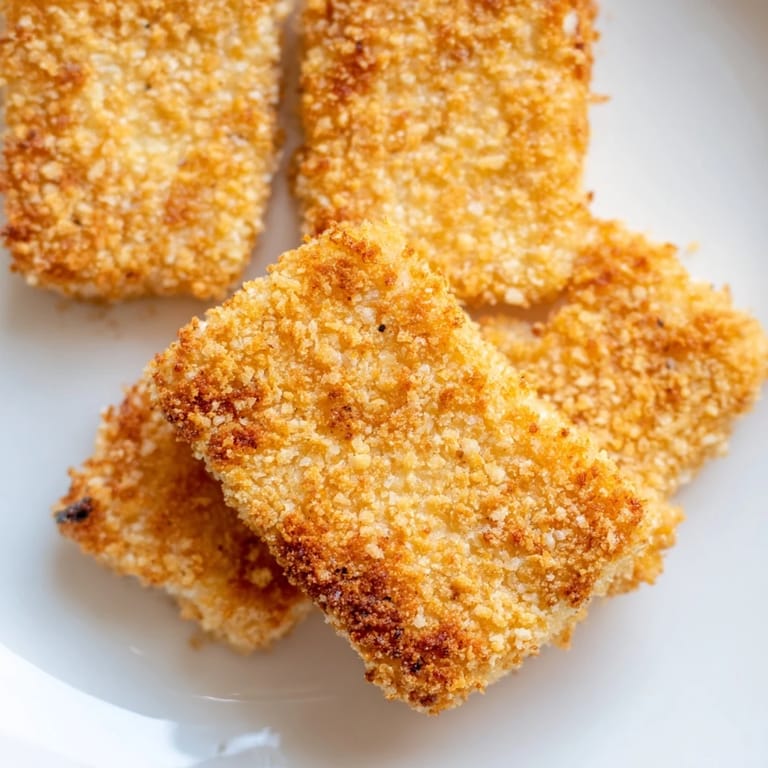
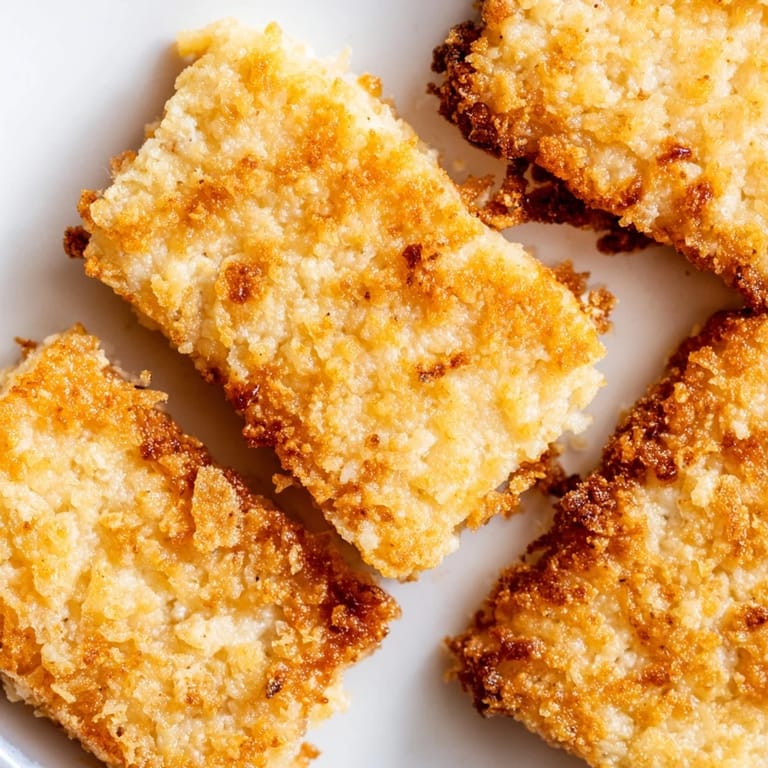
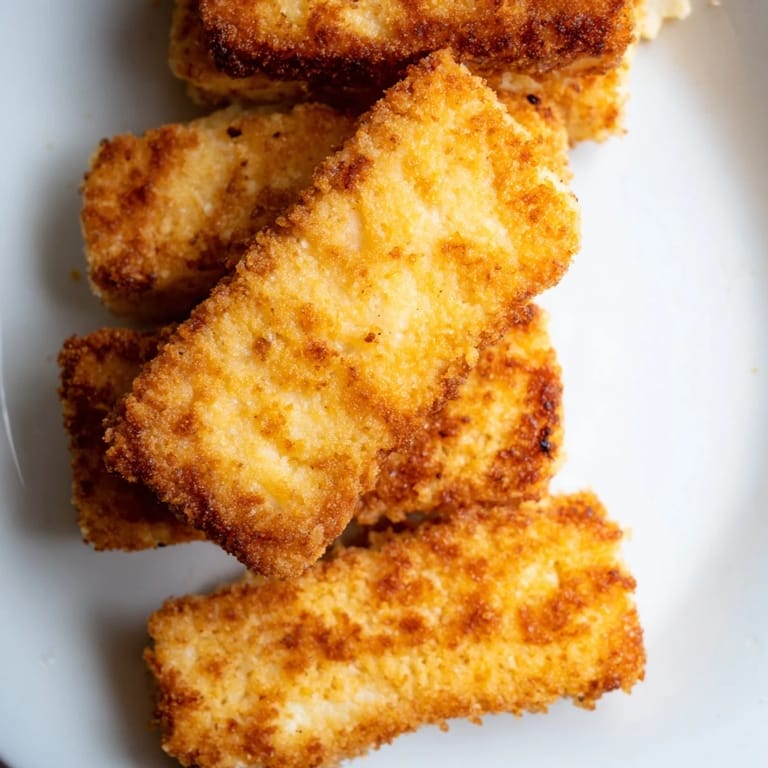
Save My flatmate once fried halloumi without any coating, and the kitchen smelled like a gym sock factory. We laughed until we cried, then ordered pizza. A week later, I coated the cheese in panko, and suddenly it was golden, crunchy, and utterly addictive. The salty squeak disappeared under a crisp shell that shattered with every bite. Now it's the first thing I make when friends drop by unannounced.
I brought a platter of these to a potluck once, still warm and wrapped in foil. They vanished in under five minutes. One friend stood by the table, dipping piece after piece into hot sauce, muttering that she'd never loved cheese more. I didn't even get to taste my own batch. That's when I learned to always fry extra.
Ingredients
- Halloumi cheese: This Cypriot cheese has a high melting point, so it holds its shape beautifully when fried, and the natural saltiness means you skip the salt shaker entirely.
- Panko breadcrumbs: These Japanese-style crumbs are coarser and airier than regular breadcrumbs, giving you that restaurant-level crunch without any sogginess.
- All-purpose flour: The flour layer helps the egg stick, and seasoning it with pepper and paprika adds a subtle warmth that complements the cheese.
- Eggs: Beaten eggs act as the glue between the flour and panko, creating a seal that keeps the coating intact during frying.
- Black pepper: Freshly ground pepper cuts through the richness and adds a gentle bite that balances the salty cheese.
- Smoked paprika: Optional but worth it, this adds a hint of smokiness that makes the whole dish feel more complex.
- Lemon: A good squeeze of lemon brightens everything and cuts through the oil, making each bite feel lighter.
- Hot sauce: Whether you like it mild or face-melting, hot sauce adds tang and heat that plays perfectly with the creamy cheese.
- Neutral oil: Sunflower or canola oil heats evenly and doesn't add competing flavors, letting the halloumi and panko shine.
Tired of Takeout? 🥡
Get 10 meals you can make faster than delivery arrives. Seriously.
One email. No spam. Unsubscribe anytime.
Instructions
- Prep the cheese:
- Pat the halloumi dry with paper towels, then slice it into batons about 1 cm thick. Moisture is the enemy of crispness, so don't skip the drying step.
- Set up your coating station:
- Place the seasoned flour on one plate, beaten eggs in a shallow bowl, and panko on another plate. This assembly line makes the coating process smooth and keeps your hands from turning into dough.
- Coat the halloumi:
- Dredge each piece in flour, dip it in egg, then press it firmly into the panko. Make sure every edge is covered, or you'll get bare spots that won't crisp up.
- Heat the oil:
- Pour the oil into a large frying pan and heat it over medium-high until it shimmers. Drop a panko crumb in to test; it should sizzle immediately.
- Fry in batches:
- Add the coated halloumi pieces without crowding the pan, and fry for 2 to 3 minutes per side until golden and crispy. Overcrowding drops the oil temperature and makes everything soggy.
- Drain and serve:
- Lift the pieces out with a slotted spoon and set them on paper towels to drain. Serve hot with lemon wedges and hot sauce on the side.
 Save
Save One rainy afternoon, I made these with my nephew, who insisted on squeezing lemon over every single piece before taking a bite. He declared it his new favorite food, and now every time he visits, he asks if we can fry the squeaky cheese. It's become our thing, and I love that a simple snack turned into a tradition.
Serving Suggestions
These are incredible on their own, but you can also tuck them into pita bread with shredded lettuce, tomatoes, and a drizzle of tahini for a makeshift sandwich. I've served them over a simple arugula salad dressed with olive oil and lemon, and the warm cheese wilts the greens just enough. They're also perfect alongside grilled vegetables or as part of a mezze spread with hummus, olives, and warm flatbread.
Flavor Variations
If you want to switch things up, mix dried oregano or chili flakes into the panko for a Mediterranean or spicy kick. I've also added finely grated Parmesan to the breadcrumbs, which makes the crust even more savory and golden. For a sweeter twist, serve with a honey drizzle instead of hot sauce, which sounds odd but tastes like a salty-sweet revelation.
Storage and Reheating
Crispy panko halloumi is best eaten fresh, but if you have leftovers, store them in an airtight container in the fridge for up to two days. Reheat them in a hot oven at 200°C (400°F) for about 5 minutes to bring back some of the crunch, though they'll never be quite as perfect as the first fry. Microwaving turns them rubbery, so avoid that at all costs.
- You can coat the halloumi pieces in advance and keep them in the fridge for a few hours before frying.
- Freeze the coated pieces on a tray, then transfer to a bag and fry straight from frozen, adding an extra minute per side.
- If you're serving a crowd, keep the fried halloumi warm in a low oven while you finish the batches.
 Save
Save Every time I make these, I'm reminded that the best recipes are the ones that make people reach for seconds before they've even finished their first piece. I hope this becomes your go-to trick for turning cheese into something extraordinary.
Questions & Answers
- → Why does halloumi need to be patted dry before cooking?
Patting the halloumi dry removes surface moisture that can prevent proper browning and create a crispy exterior. Excess water causes splattering during frying and interferes with the panko coating's ability to adhere and crisp up properly.
- → Can I prepare the halloumi in advance?
Yes, you can bread the halloumi up to 2 hours ahead and refrigerate on a parchment-lined tray. Chilling helps the coating adhere better and fry more evenly. Fry just before serving for maximum crispness.
- → What's the best oil for shallow frying?
Neutral oils with high smoke points work best—sunflower, canola, or vegetable oil are ideal. Avoid olive oil as it has a lower smoke point and will burn at the required frying temperature, affecting flavor and texture.
- → How can I make the panko coating extra flavorful?
Mix dried oregano, chili flakes, garlic powder, or smoked paprika into the panko breadcrumbs before coating. A pinch of lemon zest also complements halloumi beautifully and adds Mediterranean flair.
- → Why shouldn't I salt the halloumi?
Halloumi is naturally high in salt due to its brining process during production. Additional salt would overpower the delicate cheese flavor and create an unpleasantly salty dish.
- → What alternative dipping sauces pair well with this dish?
Greek yogurt mixed with garlic and lemon makes an excellent cooling dip. Garlic aioli, tzatziki, or even a honey-chili drizzle complement the cheese's mild, slightly squeaky texture perfectly.