 Save
Save There's something about the smell of garlic and honey hitting a hot pan that makes you realize you're about to create something genuinely special. I discovered this salmon recipe on a Tuesday evening when I had exactly four salmon fillets, some lime juice that needed using, and about twenty minutes before guests arrived. What started as improvisation became the dish everyone asks me to make again, and honestly, it's because it looks far more complicated than it actually is.
I made this for my sister's book club and watched four skeptics become converts the moment they tasted it. One of them actually put her fork down and said the glaze was 'stupid good,' which felt like the highest compliment a home cook could receive. That's when I knew this wasn't just a recipe; it was something worth sharing and refining.
Ingredients
- Salmon fillets (4, about 6 oz each): Whether you choose skin-on or skinless depends on your preference, but skin-on keeps things juicier and the skin itself crisps up beautifully in the oven.
- Unsalted butter (4 tablespoons, melted): Unsalted matters here because you're controlling the salt level yourself, and melted butter distributes more evenly than cold.
- Honey (1/3 cup): This is your sweetness anchor, and it caramelizes slightly in the oven's heat, creating those golden, glossy patches.
- Lime juice (3 tablespoons, freshly squeezed): Fresh lime makes all the difference—bottled just doesn't have the same brightness or complexity.
- Garlic (4 cloves, minced): Mince these small so they distribute through the butter evenly and cook gently rather than turning bitter.
- Salt and black pepper: Season conservatively at first since the glaze can reduce slightly during cooking and concentrate flavors.
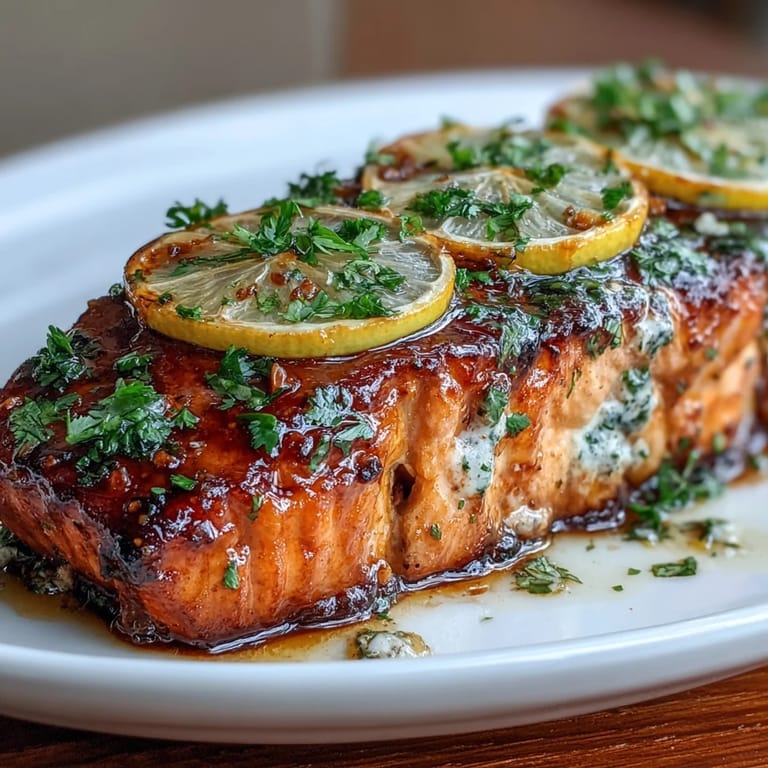
- Lime slices and fresh cilantro or parsley: These aren't just decoration—they brighten the finished dish and add a fresh counterpoint to the richness.
Tired of Takeout? 🥡
Get 10 meals you can make faster than delivery arrives. Seriously.
One email. No spam. Unsubscribe anytime.
Instructions
- Get your oven and pan ready:
- Preheat to 400°F and line your baking dish with foil—this is the only real shortcut worth taking, and it saves you from scrubbing later. A hot oven means the salmon cooks through evenly while the glaze starts caramelizing immediately.
- Dry your salmon properly:
- Pat each fillet with paper towels like you mean it. Moisture is the enemy of any nice sear or glaze, so take an extra ten seconds here.
- Mix your glaze with intention:
- Whisk the butter, honey, lime juice, minced garlic, salt, and pepper together in a small bowl until the honey fully incorporates. You'll see it go from separated and streaky to silky and unified.
- Coat the salmon generously:
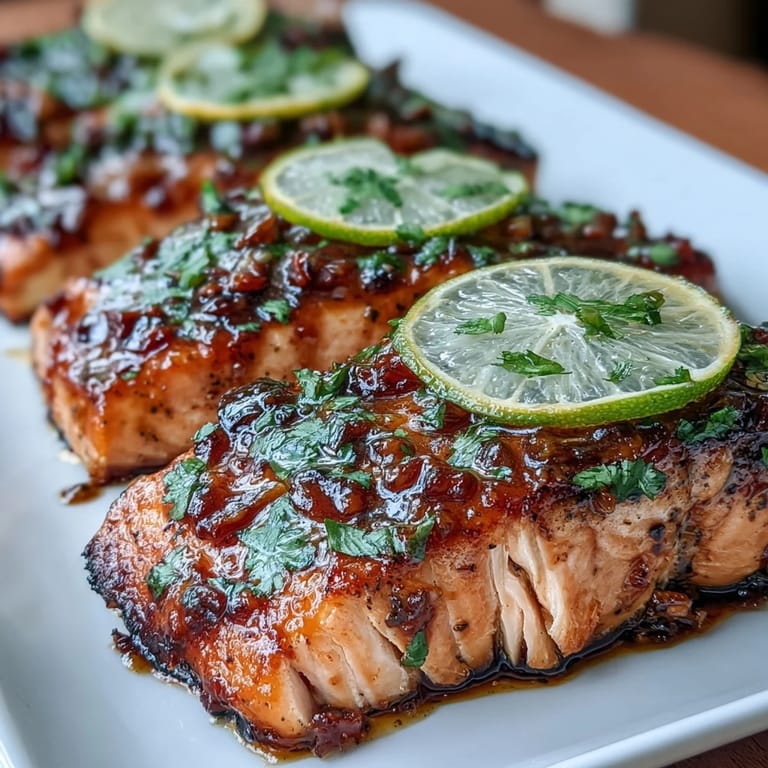
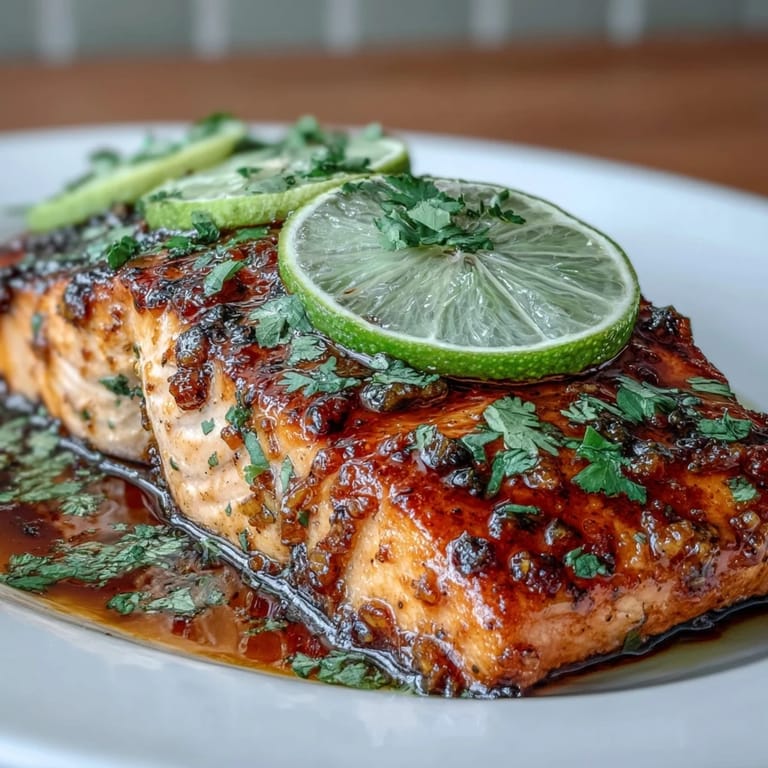
- Spoon or brush that glaze over each fillet, making sure every surface gets coated. This is where the magic happens—the glaze will bake into the fish and pool slightly on the pan, creating that restaurant-quality presentation.
- Add your lime garnish:
- Top each fillet with a couple of lime slices before baking. They'll soften and infuse the fish while looking intentional and beautiful.
- Bake until just cooked through:
- Fifteen to twenty minutes at 400°F is usually perfect, but ovens vary. The salmon should flake easily with a fork and look opaque in the center—an internal temperature of 145°F is your target if you're using a thermometer. Don't overbake; overcooked salmon becomes dry and loses its silky texture.
- Finish with fresh herbs and serve immediately:
- A scatter of cilantro or parsley right before serving adds brightness and freshness that balances the richness of the glaze. Serve while everything's still warm and the flavors are at their peak.
 Save
Save There was a moment during that first dinner party where someone asked if I'd made the salmon at a restaurant first to learn the technique. The truth is, I'd simply paid attention to what was happening in the pan and adjusted from there. That's really all cooking is sometimes—showing up, tasting as you go, and trusting your instincts.
Why This Glaze Works So Well
The science here is straightforward but elegant. Honey provides natural sweetness that caramelizes at oven temperature, creating depth and complexity beyond simple sweetness. The lime juice's acidity cuts through the richness of the butter and honey, preventing the dish from feeling heavy. Garlic infuses everything with savory warmth, and when cooked gently in the oven rather than aggressively on the stovetop, it becomes mellow and aromatic rather than sharp. Together, these elements create a glaze that tastes balanced and intentional rather than one-dimensional.
Timing and Temperature Matter
Salmon is forgiving compared to many proteins, but it does have a window where it's perfect. At 145°F internal temperature, the flesh becomes opaque and flakes easily, but the inside stays moist. Push it five degrees higher and you'll feel the difference in texture—it becomes drier, less luxurious. This is why I recommend starting to check around the twelve-minute mark if your fillets are on the thinner side, or waiting the full twenty if they're particularly thick. A quick meat thermometer removes the guesswork entirely and is honestly one of the best kitchen investments I've made.
Simple Serving Suggestions and Variations
This salmon doesn't need much beyond itself, but a few supporting players elevate everything. Steamed asparagus or green beans provide a fresh, crisp contrast to the rich glaze. Fluffy white rice or nutty quinoa underneath absorbs the extra sauce and makes the plate feel complete. A simple green salad with a light dressing cuts through the sweetness and keeps things balanced. If you're feeling adventurous, a tiny pinch of cayenne pepper in the glaze adds gentle heat that plays beautifully with the lime and honey, while a teaspoon of soy sauce deepens the umami notes. One last thing to remember: leftovers reheat gently at 275°F, covered loosely, which keeps the salmon tender rather than tough.
- Fresh lemon juice substitutes beautifully if limes aren't available, creating a slightly different but equally delicious brightness.
- For extra caramelization and a subtle charred flavor, broil the salmon for the final two minutes, but watch it carefully to prevent burning.
- Dairy-free cooking works here too—use a plant-based butter substitute and the glaze will caramelize just as gorgeously.
 Save
Save This recipe taught me that the best dishes are often the simplest ones, built on techniques you can repeat confidently and ingredients that genuinely work together. Make this once and it becomes part of your rotation; make it twice and you'll start improvising your own variations.
Questions & Answers
- → What temperature is ideal for baking this salmon?
Bake the salmon at 400°F (200°C) for 15–20 minutes until it flakes easily.
- → Can I use lemon instead of lime in the glaze?
Yes, lemon can substitute lime for a slightly different citrus note without overpowering the glaze.
- → How do I know when the salmon is cooked properly?
The salmon should be opaque at the center and flake easily with a fork. An internal temperature of 145°F (63°C) is ideal.
- → What herbs work best as a garnish?
Fresh cilantro or parsley add a bright herbal touch that complements the glaze beautifully.
- → Is it possible to get a crispier top on the salmon?
For extra caramelization, broil the salmon for the last 2 minutes of cooking while watching carefully to prevent burning.
- → What sides pair well with this salmon dish?
Steamed vegetables, rice, quinoa, or a fresh green salad make excellent and balanced accompaniments.