 Save
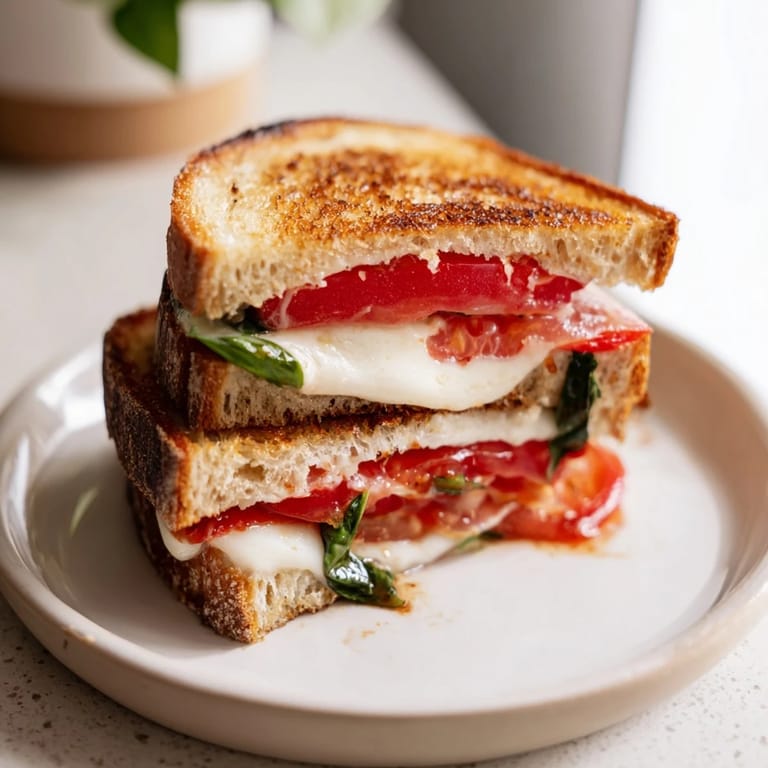
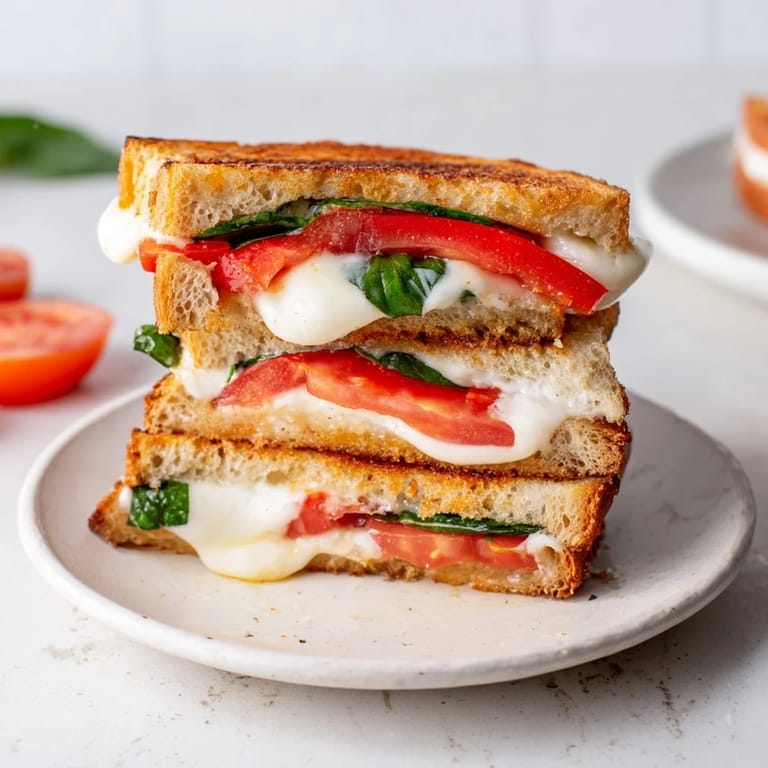
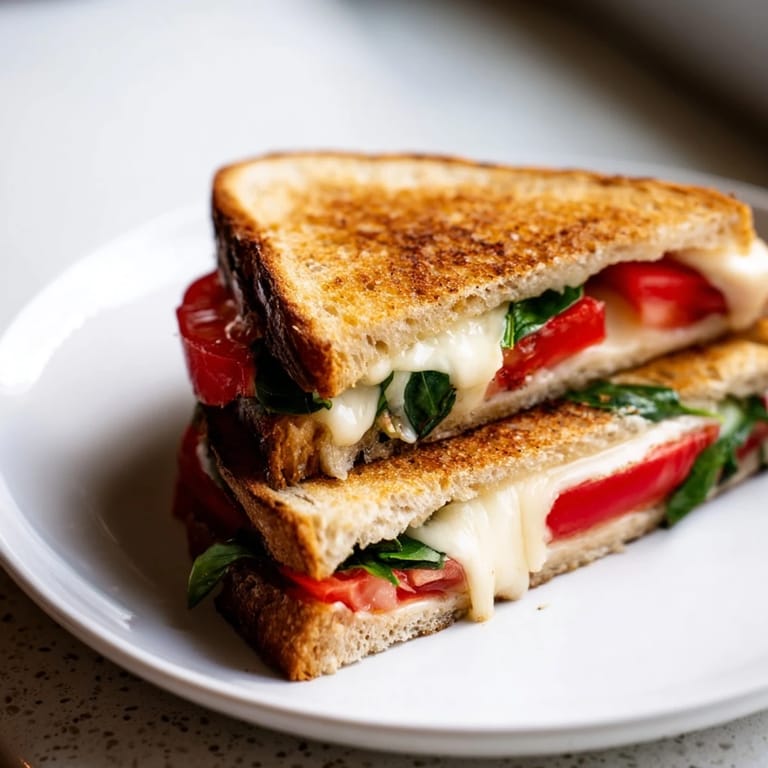
Save My panini press sat gathering dust until a lazy Saturday when I had three different cheeses, some tomatoes, and absolutely no motivation to cook anything complicated. I threw together whatever looked good, pressed it, and suddenly understood why Italians built their entire food culture around pressed sandwiches. The moment that golden crust cracked open and warm mozzarella spilled out, I realized I'd been missing something essential in my kitchen routine.
I made the Caprese version for my neighbor who was moving away, and we ate them standing in her empty kitchen, dripping tomato juice onto cardboard boxes, laughing about all the dinners we never got around to having together. That's when I realized panini aren't just sandwiches—they're an excuse to slow down and actually taste your food before it gets cold.
Ingredients
- Sourdough or ciabatta bread: The structure matters here; cheap bread falls apart under the press while good bread gets those charred, crispy edges that make everything taste better.
- Fresh mozzarella: Buy it fresh the day you're cooking if possible, because the difference between day-old and fresh is the difference between gooey and actually melting.
- Basil pesto: Store-bought works fine, but a quick homemade batch (basil, garlic, pine nuts, parmesan, olive oil) tastes like a completely different sandwich.
- Tomatoes: Slice them thick and pat them dry with paper towels so your bread doesn't turn into mush during pressing.
- Multigrain bread: Nutty and substantial enough to handle the weight of turkey and cranberry without collapsing.
- Cranberry sauce: The tart sweetness cuts through the richness of Swiss cheese in a way nothing else does.
- Focaccia or rustic bread: For the veggie option, you want something with actual texture and flavor to hold its own against bold vegetables.
- Grilled vegetables: If you grill them ahead, they release moisture and concentrate their flavor; raw vegetables will make your sandwich soggy.
- Feta cheese: Crumble it generously because it doesn't melt smoothly like mozzarella, and you want pockets of salty richness throughout.
- BBQ sauce: Less is more here; two tablespoons per sandwich is plenty or it becomes too wet.
- Pepper jack cheese: The heat builds as you eat, so it pairs perfectly with sweet BBQ without ever feeling one-note.
Tired of Takeout? 🥡
Get 10 meals you can make faster than delivery arrives. Seriously.
One email. No spam. Unsubscribe anytime.
Instructions
- Heat your press properly:
- Preheat for at least five minutes so the heat is even across the surface. You'll know it's ready when a drop of water sizzles immediately.
- Assemble with intention:
- Lay bread slices flat, spread sauces on the inner sides only, then layer solids before delicate greens. This order keeps everything from sliding around.
- Brush the outside:
- A light coat of olive oil or butter on the exterior creates that crackle and golden color; skip this and you'll get pale, dense bread instead.
- Press with confidence:
- Close the lid gently but firmly, then walk away. You don't need to press down harder or check constantly—that just releases steam and extends cooking time.
- Watch for the color:
- The bread should shift from pale to golden to deeply brown over about five minutes. When it looks like it might catch, it's actually perfect.
- Rest for one minute:
- Let the sandwich sit after pressing so the cheese sets slightly and doesn't pour out the moment you cut it.
 Save
Save I once made four different panini for my cousins who were arguing about what to eat, and by the time they were pressed and plated, they'd stopped arguing and started trading bites. That's when food stops being about feeding yourself and becomes about feeding the conversation.
Why Each Combination Works
The Caprese leans into simplicity—fresh mozzarella, tomato, basil, and good bread prove you don't need much to make something unforgettable. Turkey and Cranberry draws from autumn flavors with a modern twist; the tartness of cranberry prevents the sandwich from feeling heavy. Mediterranean Veggie packs umami through roasted vegetables and salty feta, making it substantial enough that no one misses meat. Spicy BBQ Chicken brings heat and sweetness together, with pepper jack adding a gentle burn that builds throughout.
The Secret to Perfect Press
Most people either under-press (and end up with a lukewarm sandwich) or over-press (flattening everything into a dense brick). The right pressure is firm enough that you can see the bread making contact with the heat plates, but not so hard that you're leaning your full weight on the handle. The bread should flatten slightly and the cheese should melt, but your filling should still be recognizable, not compressed into a single uniform paste.
Transform Your Leftovers
One of my favorite discoveries is that panini are almost better when slightly cooled and eaten the next day—the flavors settle and integrate, and you can taste each layer instead of just tasting heat and melted cheese. I once had a leftover Caprese at room temperature with a cold glass of white wine, and it tasted like a completely intentional meal rather than yesterday's improvisation. This flexibility means you can make a batch on Sunday and have lunch sorted for days.
- Reheat gently in a 300-degree oven for ten minutes if you want warm panini without drying them out.
- Layer combinations the night before, wrap in foil, and refrigerate so everything melds together overnight.
- Slice leftover panini and toss with greens and vinaigrette for a warm salad that feels fancier than its simple origins.
 Save
Save A good panini press is one of those kitchen tools that suddenly makes you want to cook, and once you start pressing sandwiches, you'll find yourself inventing combinations at midnight just to justify using it again. The real magic isn't in any single recipe—it's in the sound of that lid closing and the promise of something golden and warm coming out the other side.
Questions & Answers
- → What type of bread works best for panini?
Sturdy breads like sourdough, ciabatta, multigrain, and focaccia work best. They hold up well to pressing and create crispy exteriors while maintaining structure. Avoid soft breads that may compress too much.
- → How do I prevent my panini from drying out?
Use generous amounts of spreads like pesto, cranberry sauce, or hummus on the bread interior. Brush outer surfaces with olive oil or butter before pressing. Don't overcook—aim for 4-6 minutes until golden.
- → Can I prepare panini fillings in advance?
Yes, you can prep ingredients ahead and store them separately. Assemble sandwiches just before pressing for best results. Keep wet ingredients like tomatoes separate until assembly to prevent sogginess.
- → What temperature should my panini press reach?
Most panini presses heat to 350-400°F. Check your manufacturer's instructions for optimal temperature. Medium-high heat ensures crispy bread without burning while melting cheese perfectly.
- → How do I make vegetarian versions?
Replace meat with grilled vegetables, mushrooms, or plant-based proteins. The Mediterranean Veggie option is fully vegetarian. Load up on seasonal vegetables, quality cheeses, and flavorful spreads.
- → What sides pair well with pressed sandwiches?
A simple green salad, tomato soup, or minestrone complement panini beautifully. Light sides balance the richness. Consider wine pairings: Pinot Grigio with lighter combinations, light reds with heartier versions.