 Save
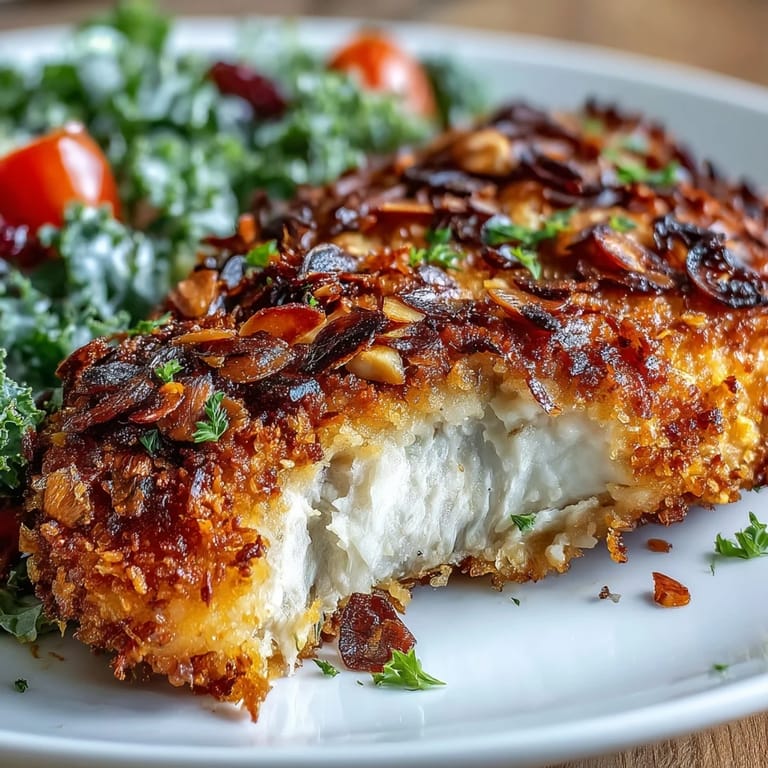
Save The skillet was too hot and the almonds started browning faster than I expected, filling the kitchen with that sharp, toasty smell that sits right on the edge of burnt. I panicked a little, flipped the chicken too soon, and somehow it still turned out beautiful. That was the night I realized this recipe doesn't demand perfection, just a willingness to trust the process and adjust the heat when things get intense. Now it's become one of those weeknight dishes I make when I want something that feels special without the fuss.
I made this for a friend who said she didn't like kale, and I watched her go back for seconds of the salad. She kept asking what the red spice was, convinced it was something exotic she'd never heard of. When I told her it was just sumac, she laughed and admitted she'd been avoiding it at the grocery store for years. Sometimes the smallest swap, the unfamiliar spice, changes everything.
Ingredients
- Boneless, skinless chicken breasts: Pat them really dry before dipping or the coating won't stick properly, I learned that the messy way.
- Almond meal or finely ground almonds: Almond meal gives a finer, more even crust, but pulsing whole almonds in a food processor works just as well if that's what you have.
- Grated Parmesan cheese: This adds a salty, umami depth that keeps the crust from tasting one-note nutty.
- Garlic powder: Fresh garlic burns too fast in the pan, so powder is actually the smarter move here.
- Smoked paprika: Just half a teaspoon brings a subtle warmth that makes people ask what the secret is.
- Salt and black pepper: Season both the coating and the chicken itself for layers of flavor.
- Large eggs: Beat them well so the coating clings evenly and doesn't clump.
- Olive oil for frying: Use enough to coat the bottom of the pan, not so much that the chicken swims.
- Kale: Remove those thick stems completely or they'll stay chewy no matter how long you massage.
- Lemon juice: Freshly squeezed makes a difference, bottled lemon juice tastes flat next to it.
- Red onion: Slice it as thin as you can, thick slices overpower the delicate sumac.
- Cherry tomatoes: Halving them releases their juices into the salad and keeps every bite juicy.
- Fresh parsley: Don't skip this, it brightens everything and adds a pop of green that makes the plate look alive.
- Sumac: This tangy, slightly floral spice is what makes the salad unforgettable.
- Toasted slivered almonds: Add these at the very end so they stay crisp and don't get soggy in the dressing.
Tired of Takeout? 🥡
Get 10 meals you can make faster than delivery arrives. Seriously.
One email. No spam. Unsubscribe anytime.
Instructions
- Get the oven ready:
- Preheat your oven to 375°F and line a baking sheet with parchment paper so cleanup is easy. This step matters because the chicken finishes cooking in the oven after you sear it.
- Mix the almond coating:
- In a shallow bowl, combine almond meal, Parmesan, garlic powder, smoked paprika, salt, and black pepper. Stir it well so the spices distribute evenly and every bite tastes the same.
- Prep the egg wash:
- Beat the eggs in another bowl until the yolks and whites are fully combined. This helps the coating stick without any bare spots.
- Coat the chicken:
- Pat each chicken breast completely dry with paper towels, dip it in the egg, then press it into the almond mixture on both sides. I like to press gently with my palms so the crust really adheres and doesn't fall off in the pan.
- Sear for color and crunch:
- Heat olive oil in a large skillet over medium heat and sear each chicken breast for 2 to 3 minutes per side until golden. You're not cooking it through yet, just building that crispy, flavorful crust.
- Finish in the oven:
- Transfer the seared chicken to your prepared baking sheet and bake for 12 to 15 minutes, until the internal temperature hits 165°F. Use a meat thermometer if you have one, it takes the guesswork out.
- Massage the kale:
- While the chicken bakes, put the torn kale in a large bowl with olive oil, lemon juice, and salt, then massage it with your hands for about 2 minutes. You'll feel the leaves soften and turn silky, that's when you know it's ready.
- Toss the salad together:
- Add the red onion, cherry tomatoes, parsley, and sumac to the kale and toss everything well. The sumac will coat the vegetables and turn parts of the salad a gorgeous reddish hue.
- Add the almonds:
- Right before serving, scatter the toasted slivered almonds over the salad so they stay crunchy. If you add them too early, they lose that satisfying snap.
- Plate and serve:
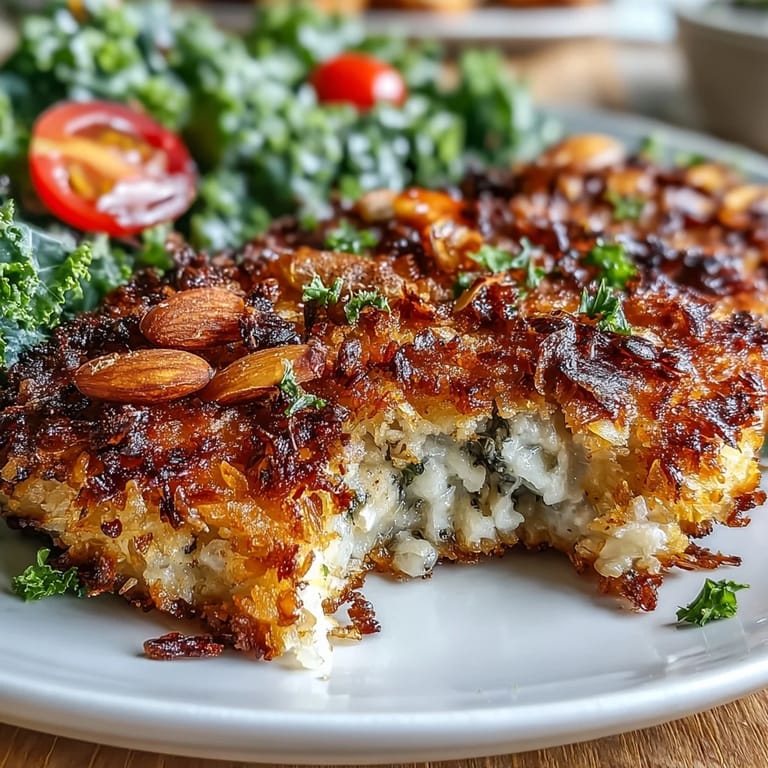
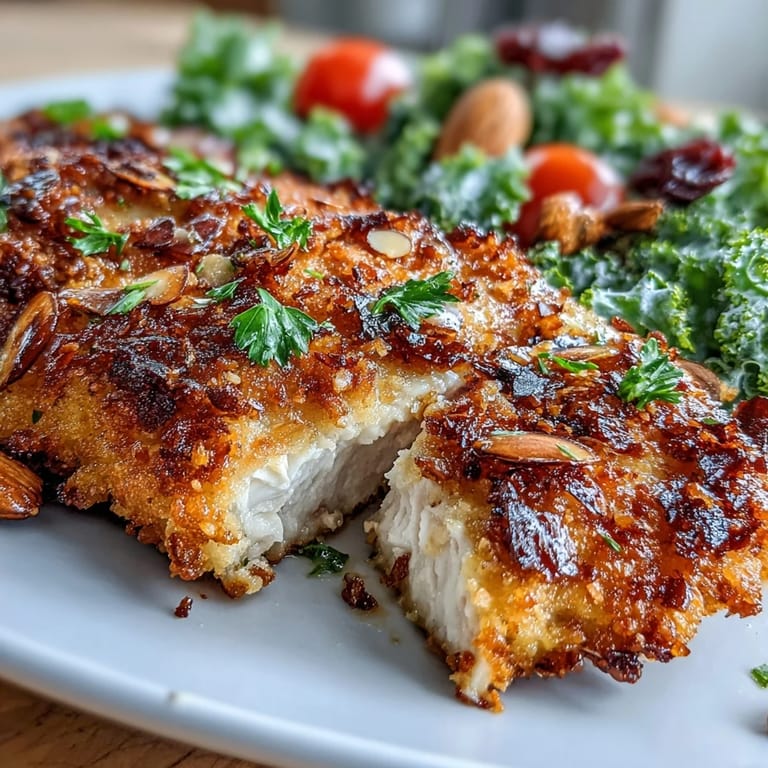
- Set a piece of almond-crusted chicken next to a generous helping of the marinated kale salad. The warm, nutty chicken and the cool, tangy greens balance each other perfectly.
 Save
Save The first time I brought this to a potluck, someone asked if I'd ordered it from a restaurant. I just smiled and said no, but inside I felt that quiet pride you get when something you made with your own hands surprises people. It's not fancy or complicated, but it tastes like you put thought into it, like you cared enough to try something a little different.
Storing and Reheating
The chicken keeps well in an airtight container in the fridge for up to three days, though the crust softens a bit once it's cold. I've reheated it in a 350°F oven for about 10 minutes and it crisps back up nicely, way better than the microwave. The salad, on the other hand, doesn't love sitting overnight because the kale gets too soft and the tomatoes release too much liquid. If you're planning leftovers, keep the salad components separate and toss them fresh when you're ready to eat.
Swaps and Variations
Turkey cutlets work beautifully here if you want something leaner or just want to change it up. I've also used chicken thighs when breasts weren't on sale, and they come out even juicier, though the cooking time bumps up a few minutes. For the salad, try adding pomegranate seeds for little bursts of sweetness, or thinly sliced radishes if you want extra crunch and a peppery bite. If sumac is hard to find, a mix of lemon zest and a tiny pinch of smoked paprika gets you close, though it won't have that same floral tang.
What to Serve With This
This dish is filling enough on its own, but a side of roasted sweet potatoes or a simple quinoa pilaf rounds out the plate if you're feeding a crowd. I like to pour a crisp Sauvignon Blanc when I'm feeling fancy, or a light Pinot Noir if it's cooler outside and I want something with a bit more body. A basket of warm flatbread on the side is nice too, especially for scooping up any leftover salad or juices from the chicken.
- Roasted sweet potatoes add natural sweetness that complements the tangy salad.
- Quinoa pilaf keeps things light and adds a nutty flavor that echoes the almond crust.
- Warm flatbread is perfect for mopping up every last bit of flavor on the plate.
 Save
Save There's something about the way the crispy, golden chicken sits next to that bright, punchy salad that makes dinner feel like an occasion, even on a random Wednesday. I hope it becomes one of those recipes you reach for when you want to feel good about what you're cooking.
Questions & Answers
- → Can I prepare the chicken ahead of time?
You can bread the chicken up to 4 hours ahead and refrigerate it covered. Sear and bake just before serving for optimal crispiness.
- → What can I substitute for almond meal?
Crushed pork rinds or finely ground pecans work well as gluten-free alternatives. For a nut-free version, try crushed gluten-free crackers or panko.
- → How do I know when the chicken is fully cooked?
Use a meat thermometer to check that the internal temperature reaches 165°F (74°C) at the thickest part of the breast.
- → Can I skip massaging the kale?
Massaging the kale is important as it breaks down the tough fibers, making the leaves tender and more palatable. It only takes 2 minutes and greatly improves texture.
- → What does sumac taste like?
Sumac is a tangy, lemony spice with a slightly fruity flavor. It adds brightness to the salad and complements the richness of the chicken beautifully.
- → Can I use chicken thighs instead of breasts?
Yes, boneless skinless chicken thighs work well. Adjust cooking time as needed, ensuring they reach an internal temperature of 165°F (74°C).