 Save
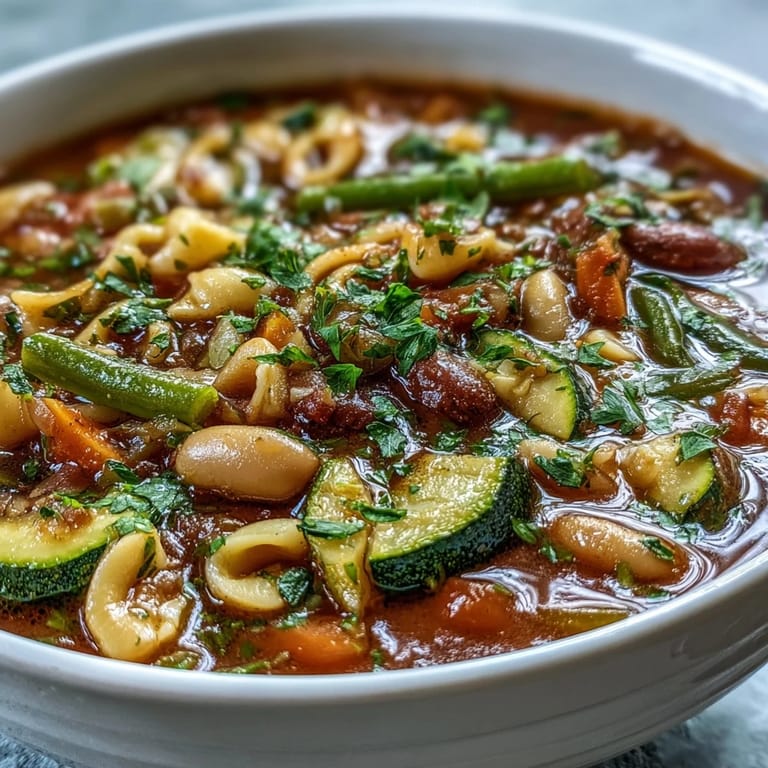
Save I found this recipe on a rain-soaked day in October when nothing but a bubbling pot of comfort would do. There was something about the combination of chunky vegetables swimming in a rich broth that called to me from an old Italian cookbook tucked at the back of my shelf. My apartment filled with the aroma of herbs and simmering tomatoes as I chopped my way through a rainbow of vegetables. The simple act of building this soup layer by layer became my therapy that day.
My neighbor Maria actually tasted this minestrone first when I brought her a container after she helped me move my couch. She took one spoonful and immediately asked for the recipe, telling me it tasted just like her grandmother made in Tuscany. I was secretly pleased since my own Italian heritage stops at enjoying pasta on Sundays. Her approval meant more than she knew.
Ingredients
- Olive oil: Use a good quality one here as it forms the flavor foundation for everything else, I learned this makes a noticeable difference.
- Cannellini beans: They provide a creamy texture that balances the chunkiness of the vegetables, plus they absorb all those wonderful flavors.
- Small pasta: I prefer ditalini because they maintain their shape well and dont swell too much in the leftovers.
- Parmesan rind: This optional ingredient creates an umami depth that transforms the broth into something extraordinary.
Tired of Takeout? 🥡
Get 10 meals you can make faster than delivery arrives. Seriously.
One email. No spam. Unsubscribe anytime.
Instructions
- Build your flavor base:
- Heat that olive oil until it shimmers then add your diced onion, carrots, and celery. Listen for the gentle sizzle as they hit the hot pot, stirring occasionally until they soften and release their aromatic magic.
- Layer in more vegetables:
- Add the garlic first, letting it become fragrant for just 30 seconds before tossing in the zucchini, potato and green beans. The colors alone will make you smile.
- Create your broth:
- Pour in those tomatoes and watch the pot transform with a splash of ruby red. Add your beans, broth, dried herbs, and that bay leaf before bringing everything to a gentle boil.
- Simmer with patience:
- Lower that heat and let everything mingle and get acquainted for about 20 minutes. The kitchen will fill with an aroma that makes waiting almost unbearable.
- Add your pasta:
- Stir in the pasta and cook until just tender. The starch will slightly thicken your broth, creating that perfect minestrone consistency.
- Finish with freshness:
- Remove the bay leaf then fold in those tender greens just until they wilt. Season with salt and pepper, tasting as you go until the flavor sings.
 Save
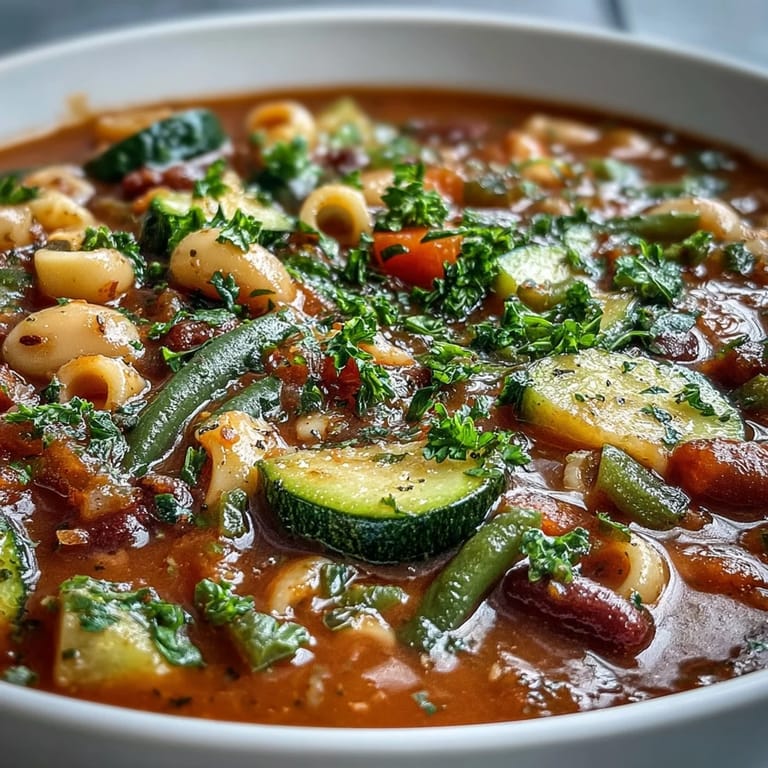
Save Last winter during that terrible snow storm, I made a double batch of this minestrone that lasted us nearly a week. My husband would come in from shoveling, red-cheeked and exhausted, and head straight for the pot. We would sit at the kitchen counter with steam rising from our bowls, planning spring gardens while the wind howled outside. Somehow that soup became the bridge between winter despair and hope for warmer days.
Seasonal Adaptations
Ive made this soup in every season and it always feels right. Summer versions get loaded with fresh tomatoes, yellow squash, and basil from my container garden. Fall brings butternut squash and kale, winter leans on root vegetables, while spring welcomes fresh peas and asparagus. The versatility means we never tire of it even though the base recipe stays the same.
Storage and Meal Planning
This minestrone actually improves with age as the flavors continue developing in the refrigerator. I often make it specifically for meal prep Sundays, dividing portions into containers for easy lunches. The texture changes slightly as the vegetables soften further and the pasta absorbs more broth, but it transforms into an even more comforting version of itself.
Serving Suggestions
While perfect on its own, this soup deserves worthy accompaniments that elevate the experience. A slice of crusty sourdough brushed with garlic-infused olive oil makes the ideal dipper. A small green salad dressed simply with lemon juice and olive oil provides a bright contrast to the rich soup. For a complete feast, finish with a dish of gelato or fresh berries.
- Try serving in wide, shallow bowls that showcase the beautiful colors and textures.
- Keep extra broth on hand if you prefer a soupier consistency when reheating leftovers.
- A bottle of good Chianti or Sangiovese opens up beautifully alongside this rustic dish.
 Save
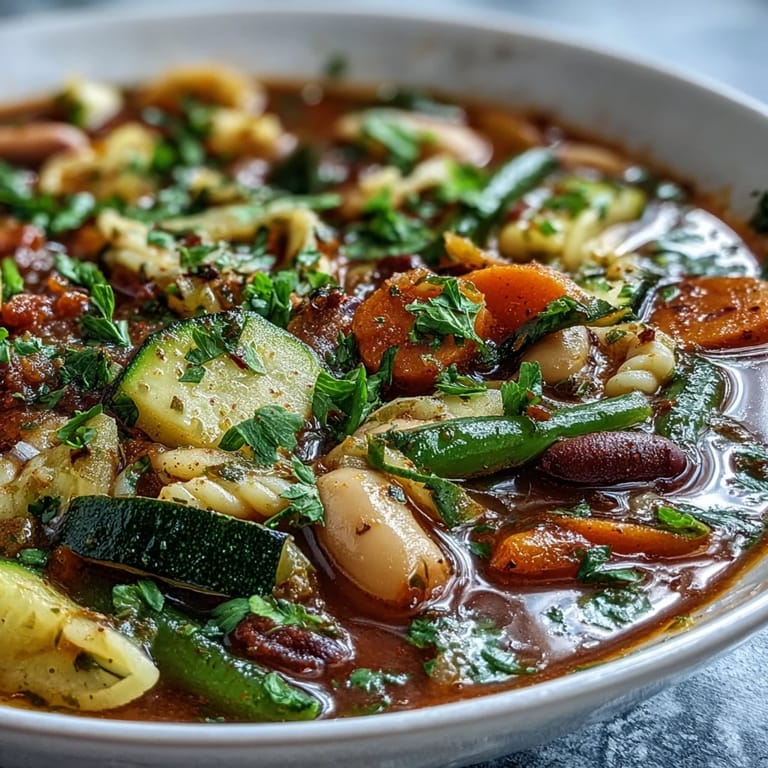
Save Some recipes are more than just dinner, they become part of your personal history. This minestrone has marked seasons, celebrations, and ordinary Tuesdays in my home, each pot slightly different but always comforting.
Questions & Answers
- → Can I make minestrone soup ahead of time?
Absolutely. This soup actually improves after chilling overnight as flavors meld together. Store in an airtight container in the refrigerator for up to 4 days.
- → What pasta works best in minestrone?
Small shapes like ditalini, elbow macaroni, or small shells catch beautifully in the soup. For gluten-free options, use rice-based small pasta or simply add more beans.
- → Can I freeze minestrone soup?
Yes, freeze for up to 3 months. Consider undercooking the pasta slightly as it will soften when reheating. Add fresh spinach after thawing for best texture.
- → How do I make minestrone vegan?
Simply omit the Parmesan cheese or use a plant-based alternative. The vegetable broth already provides a rich base, and nutritional yeast can add a cheesy flavor if desired.
- → What vegetables can I add?
Swap in seasonal favorites like cabbage, butternut squash, peas, or bell peppers. The classic mirepoix base remains essential, but the rest is flexible based on what you have available.