 Save
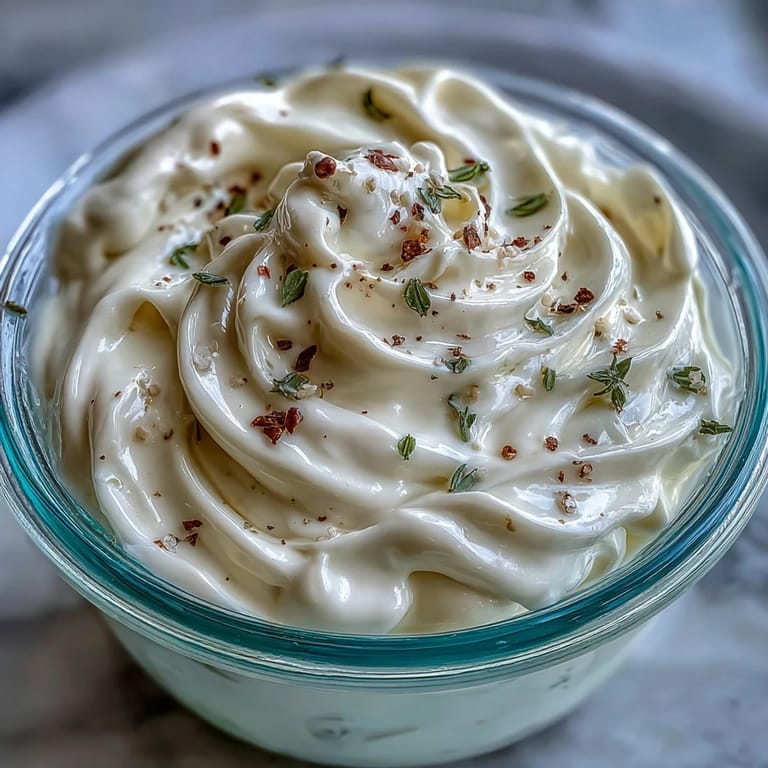
Save Sometimes cooking feels delightfully like magic especially the first time I whipped up mayonnaise at home. I was half skeptical that mere egg and oil could turn into anything but a separated mess. But as the immersion blender whirred and that transformation happened before my eyes I actually laughed a little out loud. The kitchen filled with that unmistakable fresh, slightly tangy aroma that store-bought mayo just never delivers. Ever since then, homemade mayo has been my quick fix for bland lunches and last minute dinner sides alike.
A friend once dropped by unexpectedly at lunchtime, so I set out to make a quick egg salad. I had no mayo, but a single egg and my immersion blender saved the day—her jaw literally dropped when she tasted the difference homemade makes.
Ingredients
- 1 large egg (room temperature): Starting with a room temperature egg helps the mayo emulsify beautifully and quickly, a trick I picked up after my first chilly-egg attempt ended in failure.
- 1 tablespoon Dijon mustard: Adds just the right amount of zip and depth, and the kind you use can really change the flavor profile—try tasting your mustard first.
- 1 tablespoon white wine vinegar or lemon juice: I switch between these depending on what’s in the fridge; lemon gives extra brightness, vinegar adds complexity.
- 1 cup (240 ml) neutral oil (sunflower, canola, or light olive oil): The oil choice makes or breaks your mayo—strong olive oil overpowers, so pick something light for a smooth, classic taste.
- 1/2 teaspoon fine sea salt: Salt is your balancing act; it lifts all the other flavors and pulls the mayo together.
- 1/4 teaspoon freshly ground black pepper (optional): A pinch is all you need for a gentle nudge of heat, but I sometimes skip it for a cleaner base.
Tired of Takeout? 🥡
Get 10 meals you can make faster than delivery arrives. Seriously.
One email. No spam. Unsubscribe anytime.
Instructions
- Prep your container:
- Choose a tall, narrow blending container—I've learned this shape is crucial for seamless emulsification without splatter.
- Layer your base:
- Add the egg, Dijon mustard, vinegar or lemon, salt, and pepper if using to the bottom of the container.
- Add the oil:
- Gently pour the oil directly on top—don't stir or shake, let it naturally settle over the base.
- Blend at the bottom:
- Place your immersion blender all the way at the bottom and switch it on; you'll see the bottom layer immediately turn creamy and pale.
- Move and mix:
- Slowly raise the blender while moving up and down to catch every bit of oil, blending until thick and velvety, usually about 30 seconds.
- Taste and tweak:
- Give it a taste by dipping a spoon—you might want a splash more acid or a sprinkle of salt depending on your mood.
- Store safely:
- Scoop your mayo into a clean jar, close it up tight, and pop it in the fridge to use within a week—if it lasts that long.
 Save
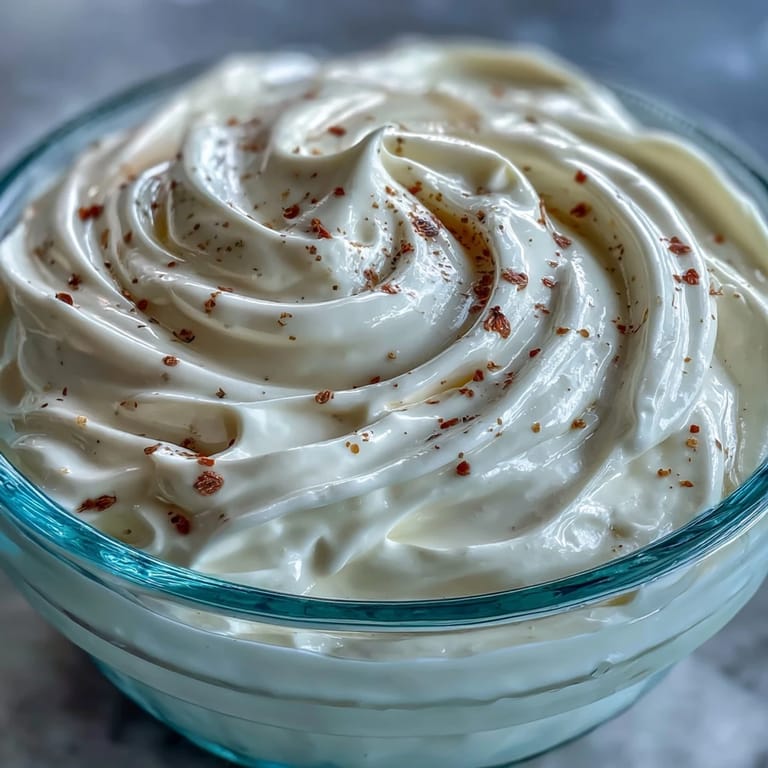
Save The first time my younger sibling watched the whole mayo-making show, it quickly became a running joke—who knew this condiment could be the highlight of our late night sandwiches, layered thick on warm toast while the house was quiet?
Ways to Mix Up Your Mayo
Once you master the classic batch, it's so easy to play with add-ins: I've tried everything from minced fresh herbs to smoked paprika, and each new version brightened the same old potato salad for another summer picnic.
Kitchen Gear That Matters
If you only buy one gadget for speedy homemade condiments, make it an immersion blender. It’s the fastest route to a perfectly blended mayo with no splattering or arm aches—and clean-up is a breeze compared to hauling out a big food processor.
Troubleshooting: When Your Mayo Won’t Blend
Everyone has had a separated mayo at least once—it’s not a defeat, just a quick lesson in patience. If your mixture refuses to thicken, try adding another egg yolk or starting a new batch and slowly blending the broken one in.
- If it’s too thin, blend a bit longer—it often thickens up with just a little extra time.
- Always use a clean jar—old residue can sabotage your emulsion.
- Don’t rush the blending steps; patience is your friend here.
 Save
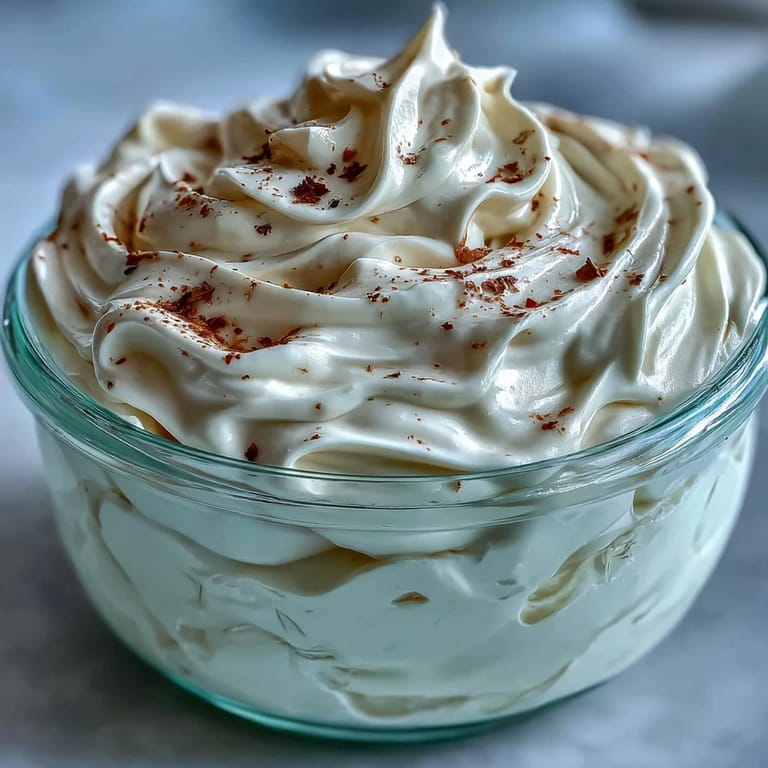
Save Whipping up this mayonnaise is still my five minute superpower whenever I want to brighten sandwiches or show off at a picnic. You’ll never look at a jarred version the same again.
Questions & Answers
- → How do I prevent the mixture from separating?
Ensure all ingredients are at room temperature. Add oil slowly and keep the blender at the bottom until emulsification begins.
- → Can I use olive oil instead of neutral oil?
Yes, but olive oil imparts a stronger, slightly bitter flavor to the final result. Light olive oil offers a milder taste.
- → Is it safe to use raw eggs?
If concerned about raw eggs, use pasteurized eggs to reduce the risk of foodborne illness.
- → How long can I store homemade mayonnaise?
Store in a clean, sealed jar in the refrigerator and use within 1 week for best freshness and safety.
- → How can I add more flavor?
Customize by adding extra lemon juice, vinegar, fresh herbs, garlic, or spices according to personal taste.