 Save
Save Last spring, the scent of freshly cut lemon zest drifted through my kitchen as I attempted to bake something new for a friend’s birthday tea. A bag of culinary lavender I'd picked up on a whim finally had its moment to shine. The combination was entirely captivating—a cake that felt like wandering through a sunny garden on a crisp day. Curious, I leaned in to hear the gentle fizz as the honey glaze met the warm loaf, promising a slice equal parts familiar and just a bit adventurous.
I remember once baking this cake while chatting on the phone with my grandmother, who kept me company from her own kitchen miles away. By the time I poured the batter into the tin, I was balancing measuring spoons and swapping family stories—our kitchens somehow feeling connected by the scent of blooming lavender and citrus.
Ingredients
- All-purpose flour: Sifting it once ensures a lighter crumb, and weighing gives the best consistency.
- Baking powder and baking soda: Their teamwork gives the loaf just enough lift without drying out.
- Salt: A small pinch actually boosts the lemony freshness—don’t leave it out.
- Culinary dried lavender buds: Use only true culinary lavender, and crush them slightly between your fingers to release the oil for a gentler, less soapy flavor.
- Lemon zest: Zest the lemons directly over the bowl to catch every aromatic spray—it makes a difference.
- Unsalted butter (room temperature): Softened butter whips up fluffier with sugar, creating that tender cake texture.
- Granulated sugar: The sugar helps create a golden crust and balances the tartness from fresh lemon juice.
- Large eggs (room temperature): Bringing eggs to room temp prevents the batter from splitting and ensures a smoother mix.
- Greek yogurt or sour cream: This secret weapon adds a lovely tang and keeps the loaf plush.
- Whole milk: Some bakers like to infuse the milk with lavender for more depth—just steep and strain if you do.
- Fresh lemon juice: Use freshly squeezed for that clean, bright zing.
- Pure vanilla extract: Just a splash helps anchor all the floral and citrus notes together.
- Powdered sugar (for glaze): Sifting it makes for a glossy, lump-free drizzle.
- Honey: A good floral honey echoes the lavender, lending extra warmth and sweetness to the glaze.
Tired of Takeout? 🥡
Get 10 meals you can make faster than delivery arrives. Seriously.
One email. No spam. Unsubscribe anytime.
Instructions
- Preheat & Prepare:
- Set your oven to 350F and line a 9x5-inch loaf pan with parchment, letting it drape over the edges for easy lifting later.
- Dry Ingredients:
- In a bowl, whisk together the flour, leaveners, salt, lavender, and lemon zest—notice how the lavender scent lingers on your fingers.
- Cream Butter & Sugar:
- In a separate bowl, beat the butter and sugar until it looks pale and billowy; don't rush, as this step is what makes the cake so tender.
- Add Eggs:
- Mix in eggs one at a time, watching the batter turn silky each time—the sound shifts from squelchy to smooth.
- Mix Wet Ingredients:
- Stir in the yogurt, milk, lemon juice, and vanilla, scraping down the sides to keep everything together.
- Combine Mixtures:
- Add the dry mix in two batches, folding gently with a spatula just until you see no more flour lines.
- Bake:
- Spoon the batter into the pan, smooth the top, and bake for 45-50 minutes until a skewer comes out clean and the kitchen smells like lemon fields.
- Cooling:
- Cool in the pan for 10 minutes, then carefully lift the loaf onto a wire rack and let it finish cooling completely.
- Honey Glaze:
- Blend the powdered sugar, honey, and lemon juice in a bowl, tweaking with a bit more juice for a drip-perfect glaze.
- Glaze & Serve:
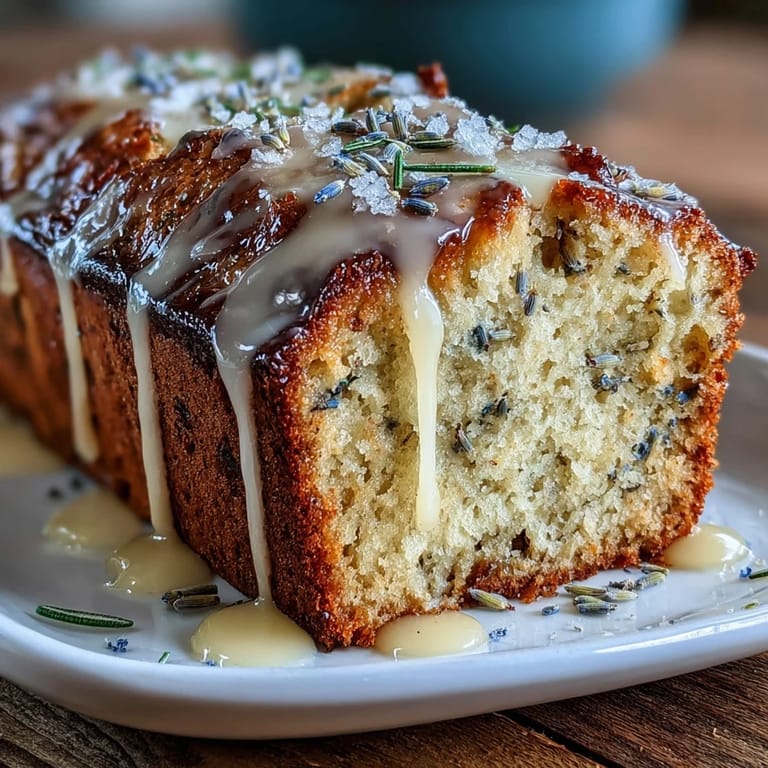
- Once the loaf is cool, drizzle the glaze generously, marveling as it glistens over the sides—garnish with more zest or lavender if you like.
 Save
Save The first time I sliced into this loaf for a group of friends, the golden crumbs scattered like confetti and the table erupted in surprised delight at the unusual floral aroma. It was one of those rare times when everyone paused for a moment, savoring the experience together before the conversation resumed.
How to Adjust for Intensity of Lavender
If you’re wary of a perfume-y slice, try reducing the lavender to a teaspoon on your first go. For bolder flavor, briefly warm the milk with lavender, then strain—just don’t forget to let it cool before mixing it into the batter. The trick is experimenting until it matches your taste; it’s remarkably forgiving if you keep your proportions gentle.
Storage and Freshness Secrets
Wrap any leftovers tightly in parchment and store at room temperature for up to two days—it actually gets more aromatic overnight. Refrigerating can dry it out, so avoid unless your kitchen is especially warm. If you’re planning ahead, the unfrosted loaf can be frozen for up to a month, just add the glaze once thawed.
Serving and Pairing Ideas
While this loaf truly shines on its own, a thin slice paired with a cup of Earl Grey or light green tea feels like a special cafe moment at home. For brunch, toast a slice and smear with a bit more honey or a dab of whipped cream. If you’re feeling festive, a sprig of fresh lavender or curls of lemon zest make beautiful finishing touches.
- Let the loaf cool fully before slicing for neat pieces.
- A small offset spatula works wonders for spreading glaze evenly.
- Always taste a crumb before glazing, so you can adjust sweetness or citrus if desired.
 Save
Save May the sunny zing of lemon and the gentle whiff of lavender in this loaf brighten any afternoon. Here’s to new kitchen adventures and the little joys they bring.
Questions & Answers
- → How much lavender is appropriate here?
The recipe calls for culinary dried lavender buds; about 1 tablespoon gives a gentle floral note. Reduce to 2 teaspoons for a subtler aroma or increase slightly if you prefer a stronger perfume.
- → Can I infuse the milk with lavender?
Yes. Warm the milk with a teaspoon or two of dried lavender, let steep 10–15 minutes off the heat, then strain before adding. That deepens the floral flavor without adding texture from the buds.
- → What can I use instead of Greek yogurt?
Sour cream or an equal amount of buttermilk work well to keep the loaf tender and moist. If using buttermilk, slightly reduce the added milk to maintain batter consistency.
- → Why did my loaf turn out dense?
Overmixing after adding flour can tighten gluten and yield a dense crumb. Measure flour accurately, fold just until combined, and ensure leavening agents are fresh for proper rise.
- → When should I glaze the loaf?
Allow the loaf to cool completely on a wire rack before drizzling the honey-lemon glaze. Cooling prevents the glaze from soaking in and keeps a shiny finish on the surface.
- → How should I store leftovers?
Wrap cooled slices tightly or keep in an airtight container at room temperature for 2 days, or refrigerate up to 5 days. Bring to room temperature before serving for best texture.