 Save
Save My roommate accidentally bought a jar of mayo when we were out of butter, and rather than running back to the store, I slathered it on bread for a quick lunch. The first golden-brown crust that emerged from the skillet felt like discovering a kitchen shortcut that had been hiding in plain sight. That moment of happy accident turned into one of those recipes I make whenever I need something warm, melty, and impossibly easy to pull off.
I made this for my neighbor who'd just moved in, and she ate two sandwiches while telling me about her chaotic moving day. There's something about handing someone a warm, properly melted grilled cheese that makes them feel looked after, even when you've barely tried.
Ingredients
- Bread: White or sourdough both work beautifully, though sourdough brings a tang that plays nicely against the richness of melted cheese.
- Cheddar cheese: Four slices of good melting cheese, or swap for Monterey Jack, Gruyère, or whatever you have that actually melts.
- Mayonnaise: Two and a half tablespoons is your golden ratio for that perfect brown without burning.
- Dijon mustard (optional): A teaspoon or two on the inside adds a gentle sharpness that makes people pause and ask what you did differently.
Tired of Takeout? 🥡
Get 10 meals you can make faster than delivery arrives. Seriously.
One email. No spam. Unsubscribe anytime.
Instructions
- Gather and prep:
- Lay out all four slices of bread on your work surface so you can build both sandwiches at once without fumbling.
- Apply the mayo:
- Spread a thin, even layer of mayonnaise on one side of each slice, using the back of a knife or an offset spatula to keep it smooth and consistent. Think light coating, not a thick blanket.
- Optional mustard layer:
- If you're adding mustard, spread a thin layer on the inner sides of two bread slices for a subtle warmth that plays against the creaminess.
- Build the sandwiches:
- Place two slices of cheese between two bread slices, making sure the mayo-coated sides face outward where they'll meet the heat. Repeat for the second sandwich so you're working with two complete units.
- Heat the skillet:
- Warm a nonstick skillet over medium-low heat for about a minute until it's gently hot, not aggressively so. The slower approach gives you control and prevents burnt outsides with cold insides.
- First side to golden:
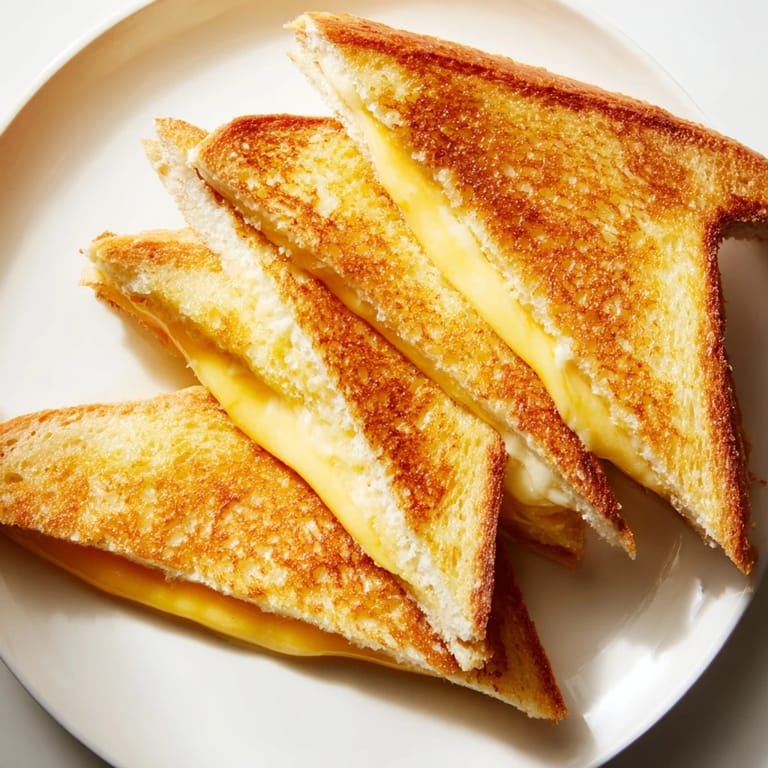
- Place both sandwiches mayo-side down in the skillet and let them cook undisturbed for 3 to 4 minutes, watching for that deep golden-brown color to develop across the bottom. You'll hear a gentle sizzle and smell that toasted, buttery aroma that fills a kitchen with promise.
- Flip and finish:
- Flip each sandwich carefully and cook the other side for another 3 to 4 minutes, pressing gently with a spatula every 30 seconds or so to ensure even contact with the heat and help the cheese melt evenly. The bread should be golden and crispy, and you should feel slight give when you press, not resistance.
- Rest and serve:
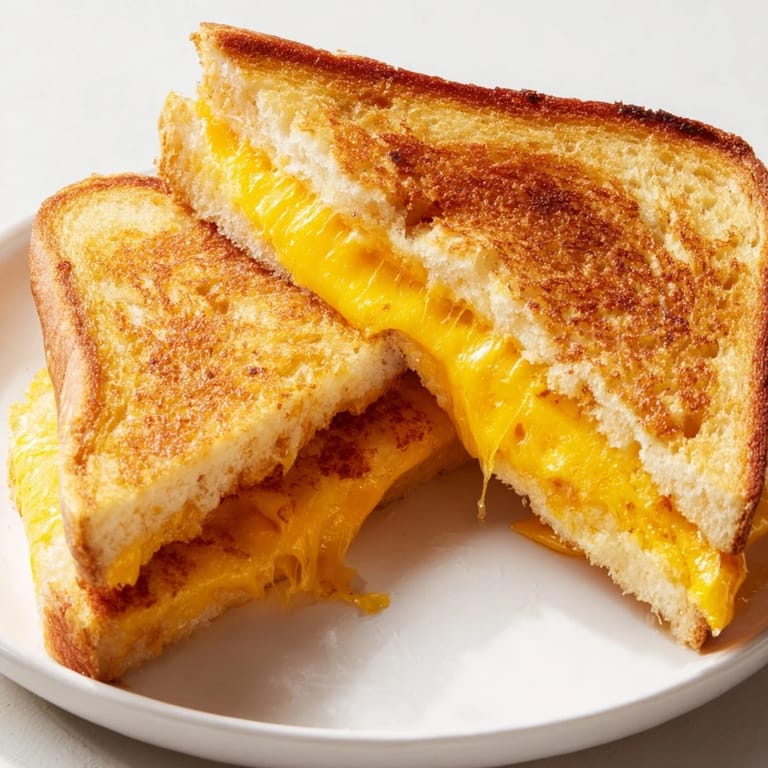
- Let the sandwiches sit for a minute on a plate before slicing, which lets the cheese set just enough that it doesn't pour out onto your plate. Slice and serve while the cheese is still pulling and warm.
 Save
Save My partner bit into one of these during a quiet Sunday morning and just said wow without any drama, which somehow said everything. It's become the thing I make when I want to feel capable in the kitchen without actually trying very hard.
Why Mayo Instead of Butter
Butter browns, sure, but mayo browns differently, with a deeper golden color that feels more intentional. The emulsion in mayo also adds a silky quality to the crust that pure butter can't quite replicate, and because mayo already contains oil, it coats more evenly and sticks to the bread without pooling in the skillet.
Cheese Choices That Actually Melt
Cheddar is reliable and bright, but Monterey Jack melts even more smoothly, Gruyère brings a nuttiness that elevates the whole sandwich, and fresh mozzarella works if you like a milder, stretchier pull. The key is choosing cheese labeled as a good melting variety, not hard aged cheeses that seize up when heat hits them.
Variations Worth Trying
Once you've made the basic version, the door opens to endless small riffs that feel new without being complicated. Tomato slices, a thin smear of jam, crispy bacon, caramelized onions, and even a pinch of hot sauce all work because the mayo-and-cheese foundation is sturdy enough to support whatever you add.
- Slice a ripe tomato thin and layer it between the cheese, which adds brightness and a little moisture that contrasts beautifully with the crispy exterior.
- Brush the skillet with a tiny bit of melted butter after cooking the sandwiches for an extra richness that feels almost decadent.
- Serve alongside tomato soup so the warmth and the dunk-factor make the whole meal feel like a moment worth savoring.
 Save
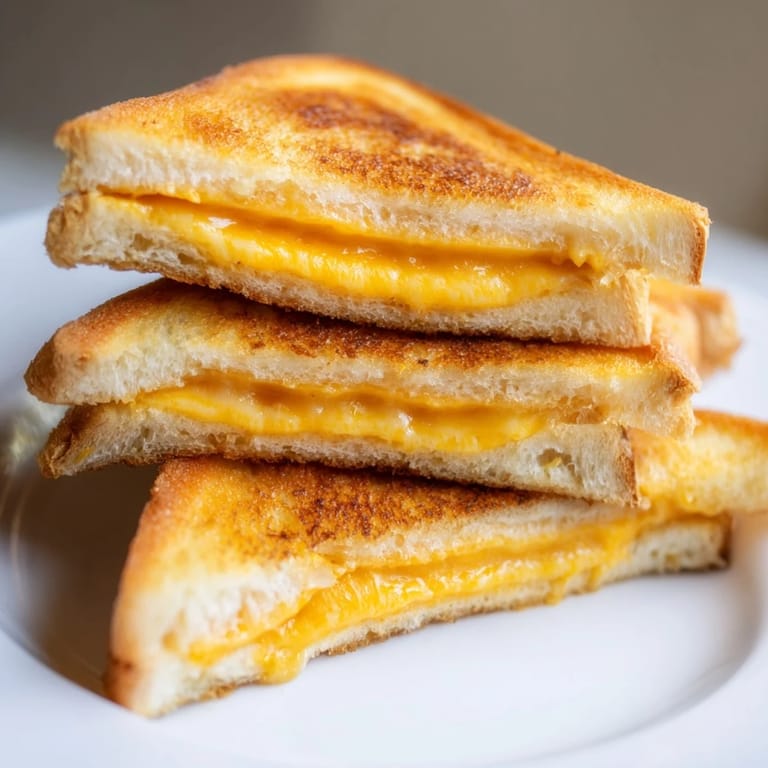
Save This recipe reminds me that the best kitchen moments often come from working with what you have rather than what you planned. It's the kind of sandwich that tastes better because it was born from a small mistake.
Questions & Answers
- → Why use mayonnaise instead of butter?
Mayonnaise helps create an evenly browned, crispy crust due to its oil and egg content, providing rich flavor and texture without excess butter.
- → Can I substitute the cheese?
Yes, any melting cheese like Monterey Jack, Gruyère, or mozzarella works well for a gooey interior.
- → What bread types work best?
White or sourdough bread are ideal for holding structure and browning nicely with mayo.
- → How to add extra flavor?
Spreading Dijon mustard inside or adding toppings like sliced tomatoes and caramelized onions enhances flavor complexity.
- → What’s the best cooking method?
Use a nonstick skillet over medium-low heat to cook the sandwich slowly, allowing the cheese to melt thoroughly while crisping the bread.