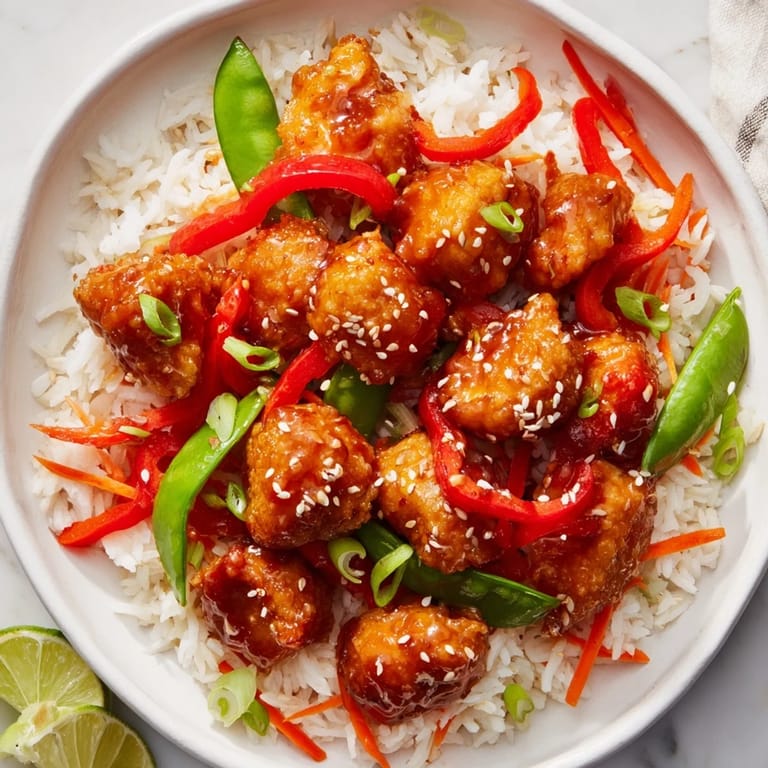
 Save
Save There's something about a bowl of sesame ginger rice that makes you slow down and actually taste your lunch. I stumbled into making this version one Wednesday when I had leftover chicken, some ginger that needed using, and an afternoon craving for something that felt restaurant-quality but didn't require leaving the house. The smell alone—that toasted sesame hitting the pan—convinced me I'd made the right call, and by the time I drizzled the sauce over warm rice, I knew this was becoming regular rotation.
I made this for my partner on a night when they'd had one of those days, and watching them take the first bite and then immediately go back for another spoonful told me everything. That's when a recipe stops being just instructions and becomes something you make because you know it'll land exactly right, every time.
Ingredients
- Chicken breast or thighs: Thighs stay juicier if you're not watching the heat like a hawk, but breasts work fine if that's what you have; just don't let them sit too long in the marinade or they'll get mushy.
- Soy sauce: Low sodium keeps the seasoning balanced so you can actually taste the ginger and sesame instead of just salt.
- Toasted sesame oil: This is non-negotiable—regular sesame oil tastes flat and grassy by comparison, and the toasted version is where the magic lives.
- Rice vinegar: Lighter and cleaner than white vinegar; it won't overpower the sauce's delicate balance.
- Fresh ginger: Grate it yourself if you can; jarred ginger loses its bright bite and leaves a slightly chemical taste.
- Garlic: Mince it fine so it distributes evenly through the sauce instead of hiding in chunky pieces.
- Sriracha: Optional but worth including if you like a whisper of heat; start with half and taste before adding more.
- Jasmine rice: Fragrant and slightly sticky, it holds the sauce beautifully without falling apart.
- Vegetables: Cut them consistently so they cook at the same rate; the goal is tender-crisp, not floppy.
- Sesame seeds and cilantro: These aren't just garnish—they're the final brushstroke that makes the bowl feel complete.
Tired of Takeout? 🥡
Get 10 meals you can make faster than delivery arrives. Seriously.
One email. No spam. Unsubscribe anytime.
Instructions
- Make your sauce first:
- Whisk soy sauce, sesame oil, rice vinegar, honey, ginger, garlic, and sriracha together in a bowl. You're creating the flavor backbone here, so taste as you go and adjust for your heat preference. Set half the sauce aside before the chicken touches it—this reserve portion is your finishing drizzle and stays fresh and bright.
- Marinate the chicken:
- Pour half the sauce over your bite-sized chicken pieces and let them sit for 15 minutes. This is the perfect window to prep your vegetables; rushing through the chopping will just leave you stressed when the pan gets hot.
- Cook the rice:
- Rinse your rice until the water runs clear—this removes excess starch so you get individual grains instead of a starchy clump. Bring water to a boil, add rice, cover, reduce heat to low, and simmer for 12-15 minutes; the moment steam stops escaping from under the lid, it's done.
- Sear the chicken:
- Heat your skillet or wok over medium-high until it's almost smoking, then add the marinated chicken in a single layer. Don't stir immediately; let it sit for a minute to develop color, then keep moving it until it's golden on all sides and cooked through, about 5-7 minutes total. The exterior should have slight char.
- Quick-fry the vegetables:
- In the same pan, add your carrots, peppers, and snap peas and keep everything moving for 2-3 minutes. You want them still snappy inside, not soft; they'll continue cooking slightly from residual heat after you remove them.
- Assemble and serve:
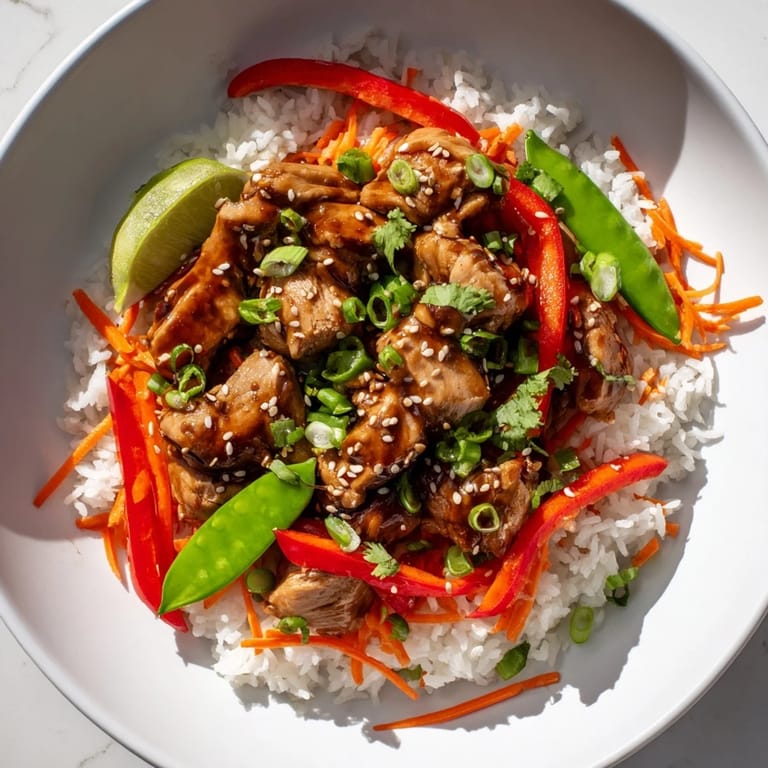
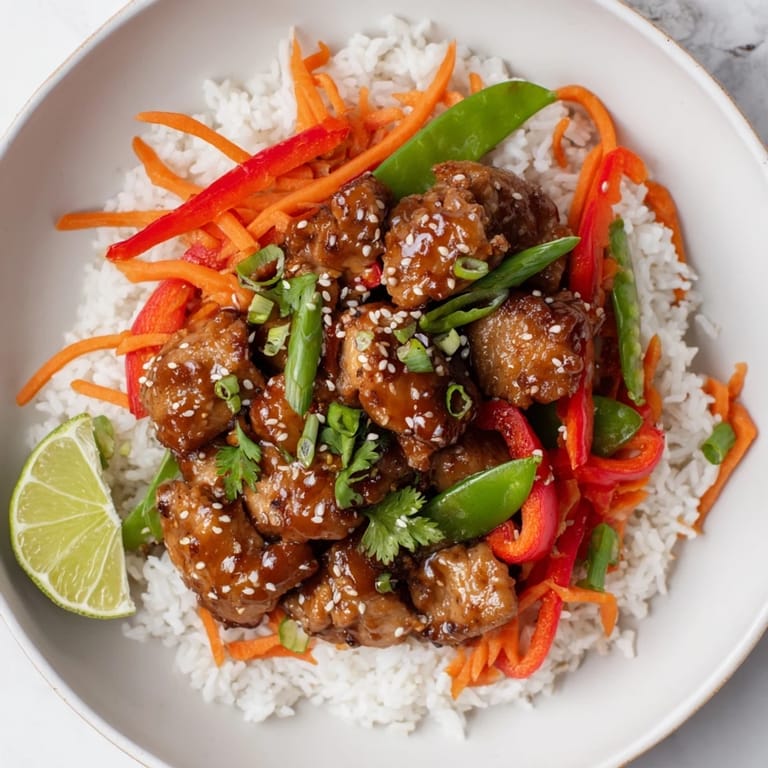
- Divide fluffy rice among bowls, top with chicken and vegetables, then drizzle generously with your reserved sauce. Finish with a scatter of sesame seeds, fresh cilantro, spring onions, and a lime wedge, then eat while everything is still warm.
 Save
Save My favorite moment with this bowl happened when I made it for a friend who'd been living on microwaved leftovers for weeks. The look on their face when they took that first bite—like they'd forgotten food could taste this alive—reminded me why I love cooking something that tastes impressive but doesn't require hours at the stove.
Building Flavor Layers
What makes this bowl work is that you're not just mixing ingredients; you're building flavor in stages. The marinade seasons the chicken from inside out, the fresh ginger and garlic bloom when they hit the hot pan, and then that reserved sauce ties everything together with acidity and toasted depth. It's the difference between eating something functional and eating something that makes you feel taken care of.
Making It Your Own
This recipe is flexible enough to shift with whatever you have on hand or what you're craving that day. Tofu or tempeh works beautifully if you're going vegetarian; add it the same way you would chicken. Avocado slices or edamame stirred in at the end add richness without changing the core flavors. I've even added a fried egg on top when I wanted something more substantial, and it never felt wrong.
Pairing and Storage
Serve this with something light—a crisp Riesling if you're drinking wine, or sparkling water with a lime wedge if you're not. The bowl reheats gently in the microwave, though the vegetables soften a bit, so I usually make the components fresh and just warm the rice and chicken if I'm eating leftovers the next day.
- Make extra sauce if you're meal-prepping; it keeps for a week and is delicious on grilled vegetables or roasted tofu.
- Cook rice a day ahead if it helps with timing; cold rice actually stir-fries better than fresh anyway.
- Toast your sesame seeds in a dry pan right before serving so they're at peak crunch and aroma.
 Save
Save This bowl has become my answer to the question of what to make when you want something that tastes like you spent hours but took less than an hour from fridge to plate. It's the kind of meal that makes you feel nourished instead of just fed.
Questions & Answers
- → Can I substitute chicken with another protein?
Yes, firm tofu or tempeh work well as plant-based alternatives, absorbing the flavorful marinade beautifully.
- → What type of rice is best for this dish?
Jasmine or short-grain white rice is preferred for its tender texture and ability to soak up the sauce.
- → How can I make this dish spicier?
Add more sriracha or chili garlic sauce to the marinade or drizzle extra on top before serving.
- → Is there a recommended cooking tool for stir-frying the vegetables?
A wok or large non-stick skillet is ideal for quick, high-heat stir-frying to keep vegetables crisp.
- → What garnishes enhance the flavors best?
Toasted sesame seeds, fresh coriander leaves, and a squeeze of lime add nuttiness, freshness, and brightness.