 Save
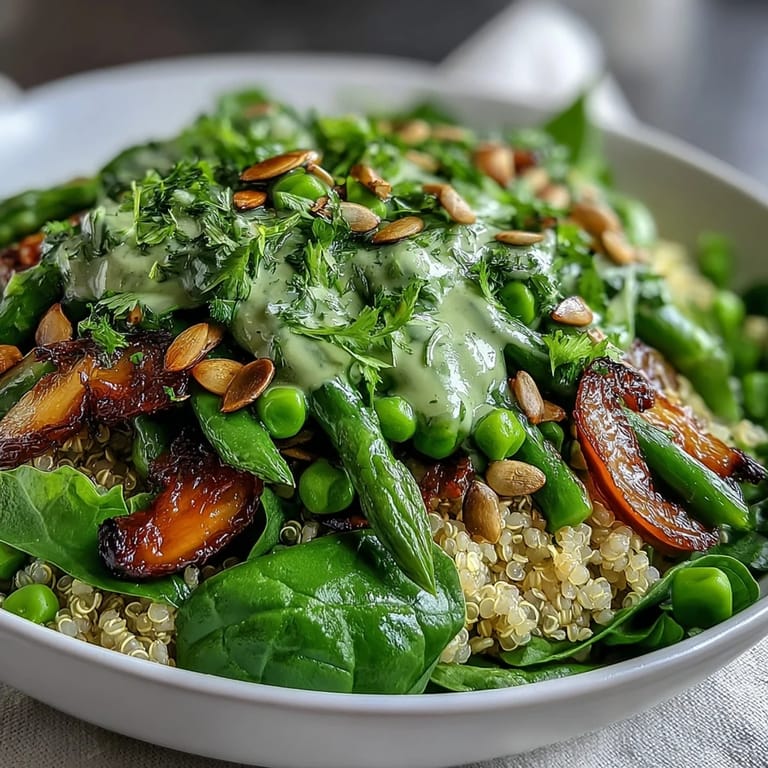
Save Last April, I was standing in my kitchen on a grey afternoon, staring at a farmers market haul of impossibly green vegetables and wondering how to make them sing together. The asparagus was so crisp it practically squeaked between my fingers, and somehow I knew a bowl—layered, colorful, and alive with spring—was exactly what the moment needed. This Spring Green Bowl became my answer to those early-season cravings when everything tastes like renewal.
I made this for my sister during one of those rare afternoons when we both had time to linger over lunch, and she asked for the recipe before finishing her bowl. She's not someone who gets excited about vegetables, but something about the brightness of it—the way the blanched greens stayed perfectly tender, how the lemon caught everything and made it matter—changed her mind about what a bowl could be.
Ingredients
- Quinoa, brown rice, or farro (1 cup/180 g): Choose your grain based on what you have on hand—quinoa cooks fastest and adds a subtle nuttiness, while brown rice is earthier and more forgiving if you're new to grains.
- Water (2 cups/480 ml) and salt (½ tsp): Don't skip salting the water; it seasons the grains from the inside and makes them taste like actual food rather than filler.
- Fresh or frozen green peas (1 cup/150 g): Frozen peas are honestly better here because they're picked at peak ripeness, and blanching them keeps them vibrant.
- Asparagus (1 cup/120 g), trimmed and cut into 2-inch pieces: That woody bottom inch isn't being dramatic when it snaps off—honor it by removing it, your teeth will thank you.
- Green beans (1 cup/120 g), trimmed and cut into 2-inch pieces: Look for beans that snap rather than bend, a sign they're fresh and will stay crisp after blanching.
- Baby spinach leaves (2 cups/60 g): The baby leaves wilt down in seconds, so watch carefully—you want them tender but still holding their shape and color.
- Extra-virgin olive oil (3 tbsp): This is where quality matters because it's raw in the dressing, so use something you'd actually want to taste.
- Freshly squeezed lemon juice (2 tbsp): Bottled lemon juice tastes oddly metallic next to fresh spring vegetables, so squeeze it yourself if you can.
- Lemon zest (1 tsp): Use a microplane if you have one—it captures all the bright oils from the skin without the bitter white pith.
- Dijon mustard (1 tsp): This tiny amount emulsifies the dressing and adds a whisper of sophistication you won't quite be able to name.
- Maple syrup or honey (1 tsp): Just enough sweetness to balance the lemon's bite and help everything come together.
- Garlic clove (1 small), minced: Raw garlic is sharp here, so use a small clove and mince it fine so it integrates rather than shouts.
- Salt and freshly ground black pepper: Taste as you go—spring vegetables need proper seasoning to taste like themselves.
- Toasted pumpkin seeds or sunflower seeds (2 tbsp, optional): Toasting them yourself takes three minutes and transforms them from boring to essential.
- Crumbled feta cheese (¼ cup, optional): If using dairy, good feta adds a salty, tangy contrast that makes everything else taste brighter.
- Fresh herbs—mint, parsley, or dill, chopped: Dill pairs especially well with spring vegetables, but use what feels right in your kitchen.
Tired of Takeout? 🥡
Get 10 meals you can make faster than delivery arrives. Seriously.
One email. No spam. Unsubscribe anytime.
Instructions
- Rinse and start your grains:
- Running them under cold water removes excess starch and helps them cook evenly. Bring your salted water to a proper boil before adding them—you want that initial heat to really wake them up.
- Simmer until tender:
- Different grains have different timelines: quinoa takes about 15 minutes, brown rice around 35, and farro lands somewhere in between. Follow the package if you're unsure, and when they're done, fluff gently with a fork to keep them light.
- Blanch your spring vegetables separately:
- Each vegetable has its own perfect texture point, so give peas, asparagus, and green beans their own 2-3 minute soak in boiling water. You'll see them go from dull to jewel-bright, which is your signal they're done.
- Shock them in ice water:
- This stops the cooking immediately and locks in that perfect tender-crisp texture and brilliant green color. Drain them well afterward so they don't water down your finished bowl.
- Wilt the spinach gently:
- A dry skillet over medium heat, no oil needed—just 1-2 minutes until the leaves soften and darken. Watch closely because it goes from perfect to overcooked in seconds.
- Whisk your dressing until it comes together:
- The mustard and garlic help emulsify everything, creating a dressing that clings to the vegetables rather than pooling at the bottom. Taste and adjust lemon or salt until it sings.
- Layer your bowls with intention:
- Start with warm grains, then arrange the blanched vegetables and spinach on top so each spoonful gets a little of everything. The contrast of warm grain and cool vegetables is part of the magic.
- Dress and finish:
- Drizzle generously with lemon dressing, then scatter your seeds, cheese if using, and fresh herbs. Serve right away while the grains are still warm and the vegetables are still crisp.
 Save
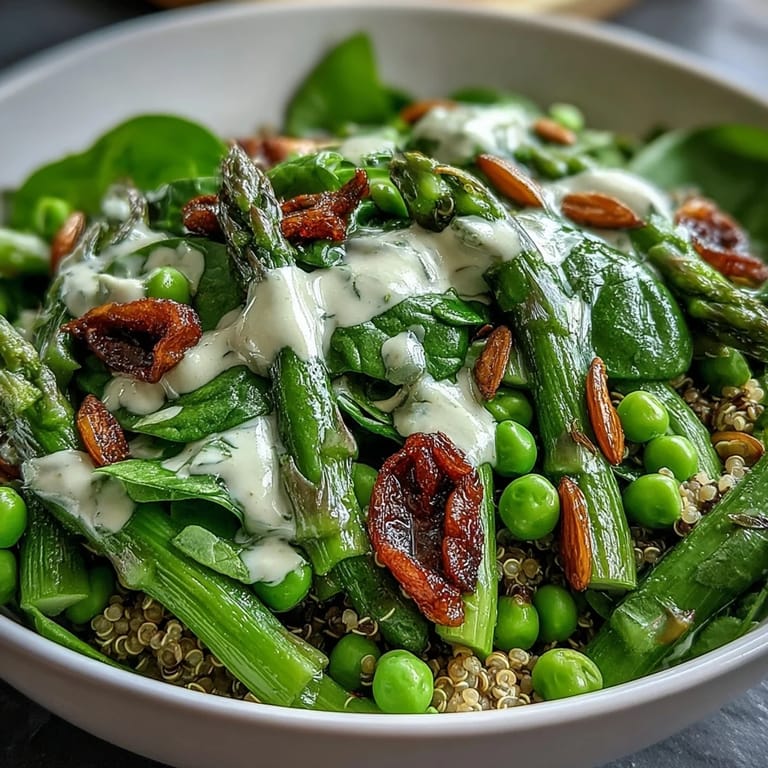
Save There's something about feeding people food that tastes like it's actually from the earth, that hasn't been complicated or weighted down with cream. The bowls I made that afternoon with my sister felt like a small act of care, honest and unpretentious.
Why This Bowl Works So Well
The combination of textures is what makes this bowl feel substantial even though it's light—you've got the tender give of blanched vegetables, the slight chew of cooked grains, the brightness of raw lemon, and if you add them, the pleasant crunch of toasted seeds. Each element stays true to itself rather than disappearing into mush, which is exactly how spring vegetables deserve to be treated. The warm grain and cool vegetables create a temperature contrast that keeps things interesting bite to bite.
Grain Choices That Matter
Quinoa is my go-to for this because it cooks quickly and has an inherent lightness, but brown rice brings an earthiness that pairs beautifully with the brightness of spring vegetables. Farro, if you can find it, adds a chewy texture that's oddly satisfying. The choice depends on your mood and what's in your pantry—there's no wrong answer, just different personalities in your bowl.
Making This Your Own
Once you understand the structure—grains, blanched vegetables, a bright dressing, and something for texture—you can build this bowl with whatever's in season or calling to you. Summer corn and zucchini, autumn root vegetables, even a handful of fresh chickpeas if you want more protein. The lemon dressing works with almost anything because acidity and brightness are universal languages in the kitchen.
- If you want to add protein, grilled chicken, crispy tofu, or roasted chickpeas all slide in naturally without overwhelming the delicate spring flavors.
- Make the grains and dressing ahead of time, then assemble bowls fresh right before eating so everything stays vibrant and crisp.
- Trust your instincts about how long to blanch—you want vegetables tender but still with personality, not soft and forgettable.
 Save
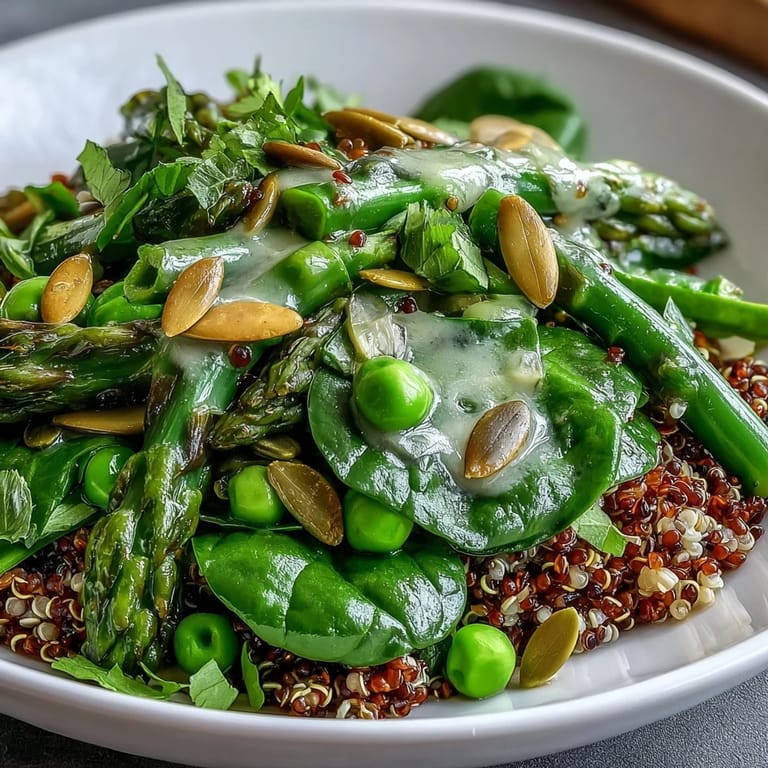
Save This bowl tastes like possibility—like your kitchen is full of light and the farmers market was generous and you have time to actually make something that matters. That's the feeling I chase every time spring circles around again.
Questions & Answers
- → What grains work best for this bowl?
Quinoa, brown rice, and farro all provide excellent texture and nutty flavor that complements the fresh vegetables. Quinoa cooks quickest at 15 minutes, while brown rice takes about 35 minutes. Bulgur or couscous make great lighter alternatives.
- → Can I prepare this ahead of time?
Absolutely. Cook the grains and blanch the vegetables up to 3 days in advance. Store them separately in airtight containers in the refrigerator. Keep the dressing in a small jar and assemble just before serving to maintain optimal freshness and texture.
- → How do I add more protein?
Grilled chicken breast, crispy tofu cubes, roasted chickpeas, or even a soft-boiled egg all pair beautifully. For plant-based options, try adding hemp seeds, edamame, or white beans directly to the grain base before topping with vegetables.
- → What vegetables can I substitute?
Snap peas, snow peas, broccoli florets, zucchini ribbons, or shredded Brussels sprouts work wonderfully. In summer, swap in raw ribboned vegetables. For winter versions, try roasted root vegetables or sautéed kale instead of blanching.
- → Is the dressing essential?
The lemon dressing provides crucial acidity and brightness that ties the components together, but you could also use a tahini-lemon blend, herb pesto, or white balsamic vinaigrette. The key is having something acidic to balance the earthy grains and sweet vegetables.
- → Can I make this completely raw?
You can skip blanching and serve vegetables raw for maximum crunch, though asparagus and green beans may be too fibrous. Try riboning the asparagus and beans thinly with a vegetable peeler, or swap in snap peas and sugar snap peas which are delicious raw.