 Save
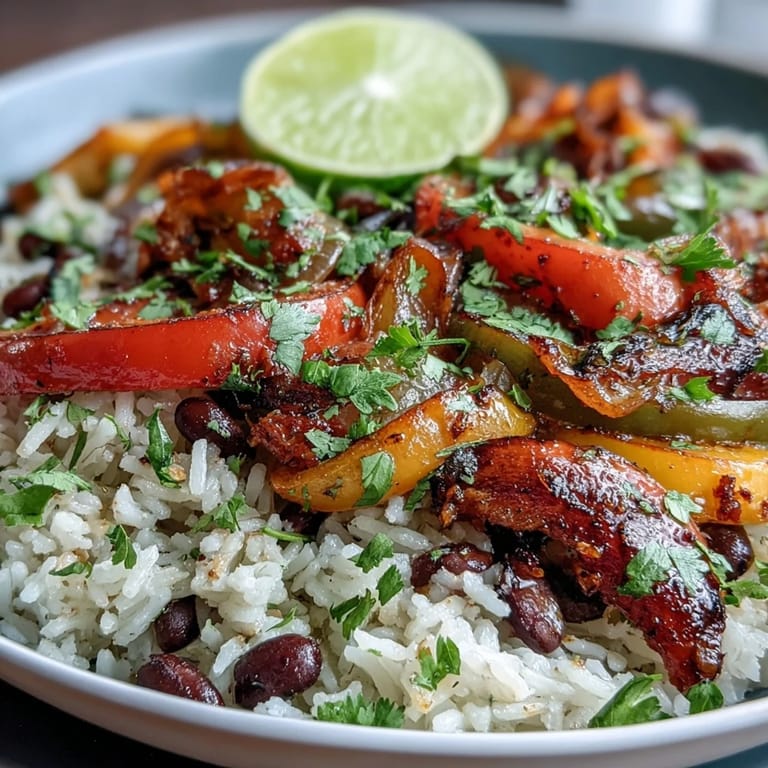
Save There's something magical about the moment when a skillet of raw vegetables transforms into something completely different—when you catch that first whiff of cumin hitting hot oil and suddenly your kitchen smells like a proper dinner. I stumbled into this one-pan fajita rice situation on a Tuesday evening when I was tired of washing dishes and craving something warm that didn't require five different pots. What started as a desperate attempt to use up peppers sitting in my crisper drawer turned into the kind of meal I find myself making almost weekly now.
I made this for my sister's surprise drop-by visit last month, and she sat at my kitchen counter watching the whole thing come together in under an hour while we caught up on months of gossip. By the time I was fluffing that rice with a fork, she was already asking for the recipe, which felt like the highest compliment. The best part was how easy it was to adjust for her—she added extra jalapeños while I kept mine mild, and we both felt like the meal was made exactly for us.
Ingredients
- Red, yellow, and green bell peppers: Buy them when they're bright and firm because they'll soften beautifully as they cook and create that signature fajita texture.
- Red onion: The thin slicing matters here—thick chunks won't caramelize the same way, and you want those charred edges for depth.
- Long-grain white rice: Rinsing it first prevents clumping and gives you those distinct grains you're after.
- Black beans: Draining and rinsing removes that canned liquid so it doesn't make your rice mushy.
- Diced tomatoes: Don't drain them—those juices are your secret weapon for adding moisture and acidity.
- Vegetable broth: The ratio of liquid to rice is everything; too little and you'll have crunchy rice, too much and it becomes porridge.
- Ground cumin: This is where the fajita magic lives—it's warm, earthy, and unmistakably the backbone of the whole dish.
- Smoked paprika: Not regular paprika; the smoke matters and creates a depth that regular paprika just can't reach.
- Chili powder: Adds gentle heat and a subtle sweetness that balances the cumin.
- Fresh cilantro: Finish with this after everything's cooked because heat destroys its bright, fresh quality.
Tired of Takeout? 🥡
Get 10 meals you can make faster than delivery arrives. Seriously.
One email. No spam. Unsubscribe anytime.
Instructions
- Get your pan ready:
- Use a large skillet with a lid—this matters because you'll need the cover later to trap steam. Heat it over medium and add either a splash of olive oil or water if you prefer oil-free cooking.
- Caramelize the vegetables:
- Once your pan is hot, toss in the sliced onions and bell peppers and let them sit undisturbed for a minute or two before stirring. You're looking for those golden, slightly charred edges that develop in 4 to 5 minutes of cooking.
- Wake up the aromatics:
- Add your minced garlic and jalapeño (if using) and stir constantly for just about a minute—this is that sweet spot where everything smells incredible but nothing's burning.
- Toast the spices:
- Add all your dry spices and stir them through the vegetables for about 30 seconds, allowing the heat to release their essential oils. This step is easy to skip but absolutely transforms the final flavor.
- Build the one-pan meal:
- Pour in your rinsed rice, drained black beans, tomatoes with their juices, and vegetable broth. Stir everything together until the rice is evenly distributed and there are no dry pockets.
- Let it simmer:
- Bring the mixture to a boil (you'll see the edges bubbling first), then reduce heat to low, cover with your lid, and let it cook undisturbed for 18 to 20 minutes for white rice. Resist the urge to peek constantly—steam is your friend here.
- Rest and fluff:
- Remove from heat and let everything sit covered for 5 minutes so the grains can fully absorb any remaining liquid. Then use a fork to gently fluff the rice, breaking up any clumps.
- Taste and adjust:
- This is your moment to add more salt, lime juice, or spice if something feels off. Trust your palate—you know what you like.
 Save
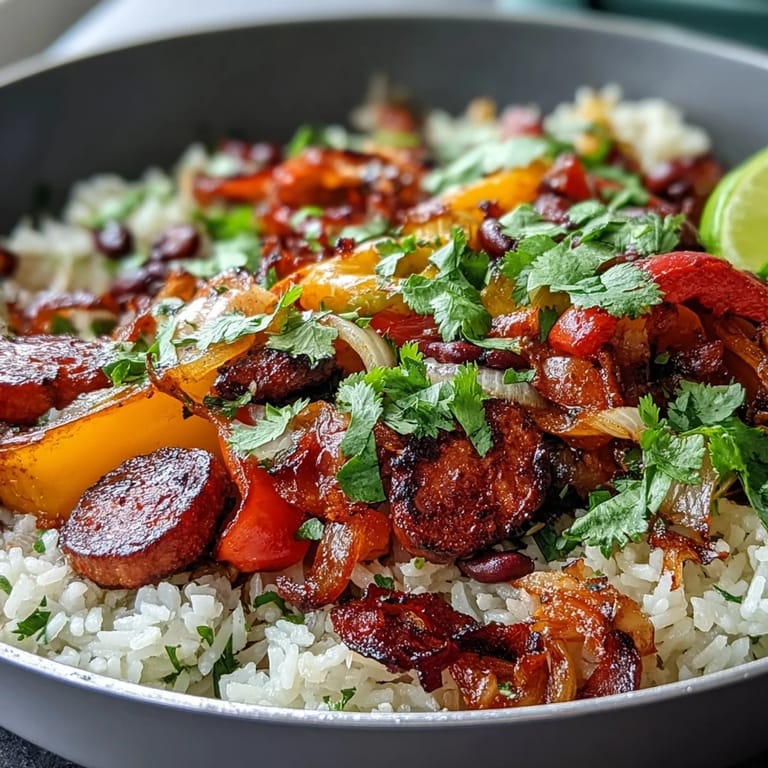
Save This dish became something more than just dinner when I realized my partner, who usually avoids cooking entirely, asked to make it himself the following week. Watching him carefully slice those peppers and smell the spices bloom in the hot pan was sweeter than any meal could be on its own.
Why This Works as a Weeknight Staple
The genius of a one-pan meal isn't just about cleanup, though that's certainly a bonus. It's about how all the flavors get to know each other as everything cooks together—the rice absorbs all those spiced vegetable juices, the beans soften and become creamy, and the tomato acidity cuts through the richness of the oil. By the time you're serving it, it tastes like you spent hours building layers of flavor when really you were just organized and patient for 30 minutes.
Making It Your Own
The beauty of this recipe is that it's a framework, not a rulebook. I've made it with zucchini instead of green pepper when that's what I had, and it was equally delicious. My friend who loves heat adds chipotle powder and fresh habaneros, while my mom's version includes corn because she swears it adds sweetness that balances the spices. The core technique—sautéing vegetables, toasting spices, then simmering everything together—stays the same while everything else is negotiable based on what's in your kitchen or what you're craving.
Storage and Leftovers
This meal actually tastes better the next day once all the flavors have had time to meld together in the fridge. Store it in an airtight container and it'll keep for up to three days, making it perfect for meal prep or those nights when you genuinely have zero energy to cook. If it's looking a bit dry when you reheat it, add a splash of vegetable broth or water and stir it through gently over low heat.
- For extra protein and substance, cube and pan-sear some firm tofu before stirring it in at the end.
- A handful of baby spinach stirred in right before serving adds nutrition without changing the flavor profile.
- Leftovers are excellent stuffed into tortillas the next day if you happen to have them on hand.
 Save
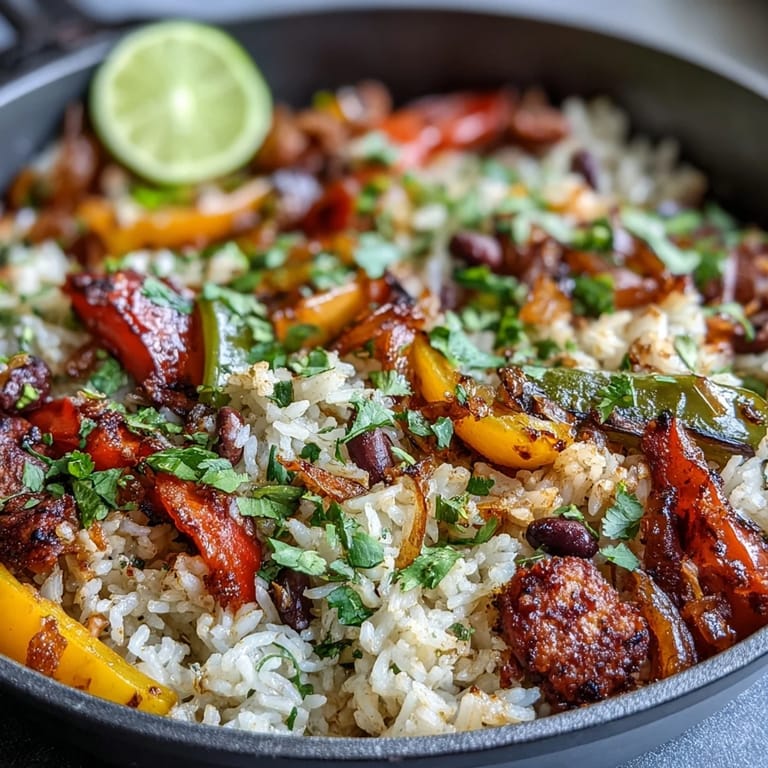
Save This is the kind of recipe that becomes part of your regular rotation not because it's fancy, but because it's dependable and genuinely delicious. Every time you make it, you'll probably find a small way to adjust it, and that's exactly how it should be.
Questions & Answers
- → What type of rice works best?
Long-grain white rice cooks more quickly, yielding a fluffy texture, while brown rice adds fiber but requires longer simmering.
- → Can I add protein to this dish?
Yes, cubed tofu sautéed and stirred in before serving enhances protein content and texture.
- → How can I adjust the spiciness?
Remove or include the jalapeño based on your heat preference, and add chipotle powder for a smoky kick.
- → What garnishes complement the flavors?
Fresh cilantro, lime wedges, sliced avocado, or vegan sour cream add brightness and creaminess.
- → Is this dish suitable for gluten-free diets?
Yes, naturally gluten-free ingredients are used; just verify the vegetable broth and canned beans for any cross-contamination.