 Save
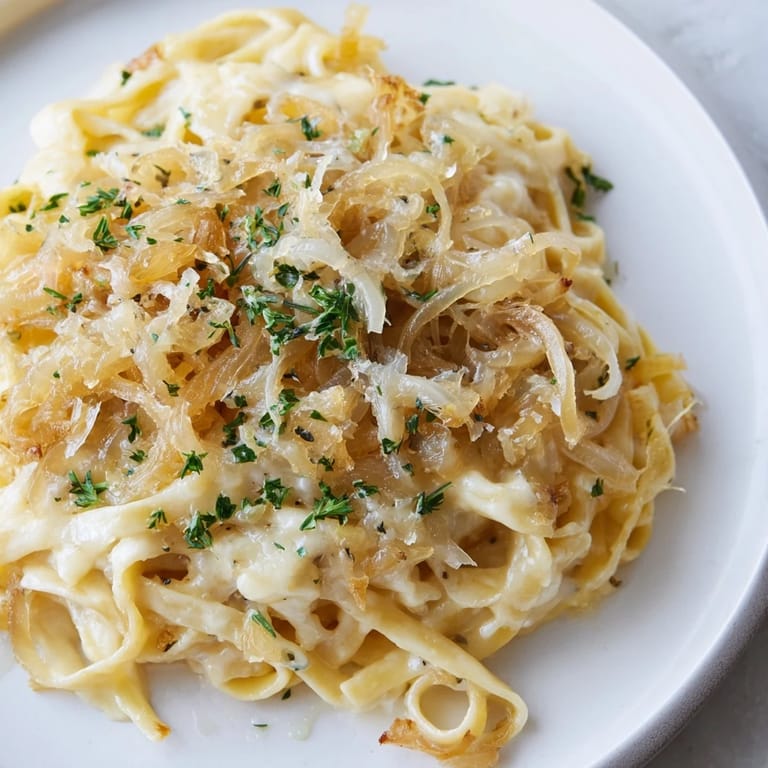
Save There's something about the smell of onions slowly turning golden that makes you stop whatever you're doing and just stand there. I discovered this dish on a cold evening when I was craving the warmth of French onion soup but had a box of fettuccine staring at me from the pantry. Why not combine them, I thought, and just like that, a one-pot wonder was born that night. The first bite felt like a small kitchen victory—creamy, deeply savory, and ready in less than an hour.
I made this for friends on a rainy Sunday, and someone asked if I'd been simmering it since morning. The truth was simpler and somehow more satisfying—just 40 minutes of gentle heat and a little patience with those onions. Watching them transform from pale slices to deep mahogany ribbons became almost meditative, and by the time we sat down, everyone's shoulders seemed to relax a little with that first warm spoonful.
Ingredients
- 3 large yellow onions, thinly sliced: These are the heart of the dish—the thinner you slice them, the more evenly they caramelize and the silkier your final pasta becomes.
- 2 cloves garlic, minced: Just enough to whisper in the background without overpowering the sweet onion melody.
- 350 g fettuccine or linguine: The flat ribbons catch the creamy sauce beautifully, though any pasta shape will work if you're using what you have.
- 60 ml dry white wine: Don't skip this—it cuts through the richness and adds complexity that water simply cannot.
- 1 L vegetable or beef broth: Beef broth deepens everything, but vegetable keeps things lighter and just as delicious.
- 2 tbsp unsalted butter: The butter-oil combination gives you the best caramelization without burning.
- 120 g Gruyère cheese and 60 g Parmesan: Gruyère melts like a dream while Parmesan adds a sharp, nutty finish that makes people ask for the recipe.
- 2 tbsp olive oil: Use something you'd be happy to taste directly.
- 1 tsp sugar: This tiny amount helps the onions brown faster and deeper—trust it.
- 1/2 tsp dried thyme and 1 bay leaf: These herbs tie everything to that classic French onion soup feeling.
- Salt and freshly ground black pepper: Taste as you go; you'll need more than you'd expect.
Tired of Takeout? 🥡
Get 10 meals you can make faster than delivery arrives. Seriously.
One email. No spam. Unsubscribe anytime.
Instructions
- Start the golden transformation:
- Heat butter and olive oil over medium heat in a large, deep skillet or Dutch oven, then add your sliced onions and that little pinch of sugar. You're going for patience here—stir occasionally over 20 to 25 minutes as they shift from white to pale gold to a deep caramel color that makes your kitchen smell like a Parisian café.
- Wake things up with garlic:
- Once your onions are that rich mahogany color, add the minced garlic and cook for just a minute until it's fragrant but not browned. You'll know it's right when you catch that sharp, toasted aroma.
- Deglaze with wine:
- Pour in the white wine and use your wooden spoon to scrape up every browned bit stuck to the bottom—that's pure flavor. Let it bubble away for about 2 minutes until most of the wine cooks off but still adds its complexity to what you're building.
- Add herbs and broth:
- Stir in the thyme and bay leaf, then pour in all your broth and let it come to a boil. The kitchen fills with this savory steam that promises something really good is about to happen.
- Finish the pasta in the pot:
- Add the uncooked pasta directly into the simmering broth, stir well, then lower the heat to medium-low and let it simmer uncovered for 10 to 12 minutes, stirring frequently. Watch as the pasta absorbs the broth and becomes creamy and tender, creating its own sauce as it cooks.
- Melt in the cheese:
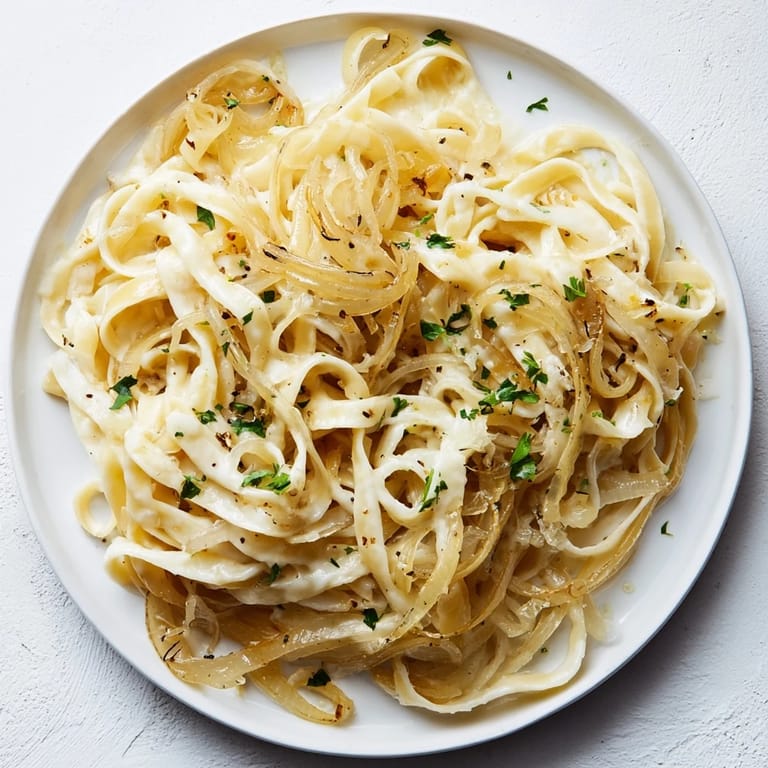
- Fish out that bay leaf, then stir in both cheeses until everything melts into a creamy, luxurious tangle of pasta and onion magic. Taste and adjust your salt and pepper—you'll probably want more than feels safe until you taste it.
- Serve and celebrate:
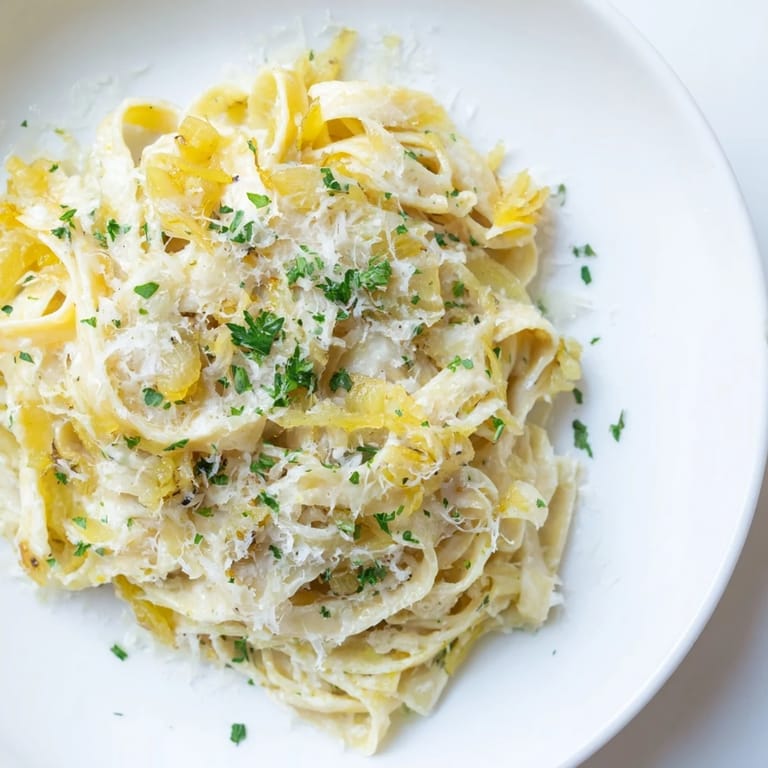
- Divide into bowls while everything is hot and steaming, finish with fresh parsley and perhaps an extra handful of cheese if you're feeling generous.
 Save
Save The moment when someone tastes this and their eyes widen, when they realize a weeknight dinner can feel this intentional and warm—that's when you know something simple has become something meaningful. This dish turned into the meal I make when someone needs comfort without it feeling like a big production.
The Power of Patient Onions
Those 20 to 25 minutes of caramelizing might feel long, but each minute deepens the flavor in ways that rushing simply cannot achieve. The sugars in the onions slowly break down and brown, creating notes of sweetness and umami that form the entire foundation of this dish. There's no shortcut here, and honestly, there shouldn't be—this is the time to pour a glass of wine, put on music, and just stand there stirring occasionally, watching the magic happen.
One Pot Means One Cleanup
Beyond the obvious convenience, cooking everything in a single vessel means all those browned bits from the onions, the wine, the pasta—they're all right there contributing to the final flavor. You're not dividing your efforts or losing anything to separate pots and pans. By the time you've finished eating, there's just one beautiful, well-used vessel waiting for a quick wash, and you've fed four people something that feels elegant and cared for.
Variations That Work
This recipe is forgiving in the best ways, welcoming variations without losing its character. Some nights I add mushrooms sautéed with a little balsamic vinegar for earthiness, other times I finish with crispy sage leaves or a crack of fresh nutmeg that nobody can quite identify but makes them ask why everything tastes better. You could stir in some sautéed mushrooms for extra depth, substitute Swiss cheese if Gruyère isn't available, or use beef broth instead of vegetable for a richer, darker version.
- Try adding sautéed mushrooms or fresh thyme for variations that deepen the dish.
- Swap Gruyère for Swiss cheese if you need to, though Gruyère's nuttiness really does make a difference.
- Pair with a crisp white wine like Sauvignon Blanc to echo the wine in the pot and lift everything slightly.
 Save
Save This is the dish I reach for when I want something that feels intentional without being complicated, something warm that fills your kitchen with the kind of smell that makes people ask what you're cooking before they even arrive. It's proof that the best meals don't always come from long ingredient lists or hours at the stove—sometimes they come from patience, one good pot, and the simple magic of onions becoming something more than themselves.
Questions & Answers
- → How do you caramelize the onions properly?
Sauté sliced onions with butter and olive oil over medium heat, stirring occasionally, until they turn a deep golden brown, about 20–25 minutes. Adding a pinch of sugar helps enhance their sweetness.
- → Can I use a different type of pasta?
Yes, fettuccine or linguine works best due to their flat shape, which holds the sauce well, but other long pasta varieties can be substituted as preferred.
- → What can I use instead of white wine for deglazing?
Dry white wine is ideal, but if avoiding alcohol, use extra broth or a splash of white grape juice for a similar acidity and depth.
- → Is it possible to make this dish gluten-free?
Absolutely, simply replace the pasta with certified gluten-free varieties to suit dietary needs without compromising flavor or texture.
- → How do the cheeses affect the final texture?
Gruyère melts smoothly, adding creaminess, while Parmesan provides a sharp, nutty flavor and enhances the overall richness of the dish.